
The modern workplace stands at a pivotal crossroads where technology meets humanity, demanding a fresh perspective on how we integrate automation into our daily operations.

Organizations worldwide are discovering that the most successful digital transformations aren’t those that replace human workers, but rather those that amplify human capabilities through thoughtful, human-centric automation. This paradigm shift is fundamentally changing how we perceive productivity, creativity, and workplace satisfaction in the 21st century.
🎯 Understanding Human-Centric Automation in Today’s Workplace
Human-centric automation represents a fundamental departure from traditional automation approaches that prioritized efficiency at any cost. Instead, this philosophy places human needs, experiences, and potential at the center of technological implementation. It recognizes that automation should serve as an enabler rather than a replacement, augmenting human intelligence and freeing workers to focus on tasks that require creativity, emotional intelligence, and strategic thinking.
The core principle behind human-centric automation is remarkably simple yet profound: technology should adapt to people, not the other way around. This approach acknowledges that while machines excel at repetitive, data-intensive tasks, humans bring irreplaceable qualities like intuition, empathy, ethical judgment, and innovative thinking to the workplace. By combining these strengths, organizations can achieve outcomes that neither humans nor machines could accomplish independently.
The Evolution from Traditional to Human-Centric Approaches
Traditional automation often created disconnection between workers and their tasks, leading to decreased job satisfaction and resistance to change. Human-centric automation, conversely, involves employees in the design and implementation process, ensuring that automated systems genuinely improve their work experience. This collaborative approach transforms automation from a threat into an opportunity for professional growth and enhanced job satisfaction.
💡 The Business Case for Empowering Automation
Organizations implementing human-centric automation report remarkable improvements across multiple dimensions of business performance. These benefits extend far beyond simple cost reduction, encompassing enhanced innovation capacity, improved employee retention, and stronger competitive positioning in increasingly dynamic markets.
Research consistently demonstrates that companies prioritizing human-centric automation achieve superior financial performance compared to those pursuing purely efficiency-driven approaches. This success stems from several interconnected factors that create a virtuous cycle of improvement and innovation.
Measurable Impact on Productivity and Innovation
When employees are liberated from repetitive, mundane tasks through thoughtful automation, they redirect their energy toward high-value activities that drive innovation and competitive advantage. Studies show that organizations implementing human-centric automation experience productivity increases of 20-40%, while simultaneously seeing improvements in employee engagement scores and innovation metrics.
The innovation benefits are particularly striking. By reducing the cognitive burden of routine tasks, automation creates mental space for creative problem-solving and strategic thinking. Employees report feeling more energized, engaged, and capable of contributing meaningful ideas when automation handles the repetitive aspects of their work.
🔧 Key Components of Successful Human-Centric Automation
Implementing human-centric automation requires careful attention to several critical components that determine whether automation initiatives succeed or fail. These elements work together to create an ecosystem where technology and humanity complement rather than compete with each other.
Intelligent Task Allocation
Effective human-centric automation begins with intelligent analysis of which tasks should be automated and which should remain human-driven. This requires deep understanding of both technological capabilities and human strengths. Tasks involving pattern recognition in large datasets, repetitive data entry, and standardized workflows are excellent candidates for automation. Meanwhile, activities requiring nuanced judgment, relationship building, creative problem-solving, and ethical considerations should remain firmly in human hands.
Organizations must resist the temptation to automate everything possible simply because the technology exists. Instead, they should focus on automating tasks that genuinely burden employees while preserving opportunities for meaningful human contribution.
Intuitive Interface Design
The success of any automation initiative depends heavily on user adoption, which requires interfaces that feel natural and intuitive to human users. Complex, poorly designed interfaces create frustration and resistance, undermining the benefits of automation. Human-centric systems prioritize user experience, employing design principles that make technology feel like a helpful assistant rather than an obstacle to overcome.
Modern automation platforms increasingly incorporate conversational interfaces, visual workflows, and contextual assistance that adapt to individual user preferences and work patterns. These design choices reduce training requirements while increasing user satisfaction and adoption rates.
Continuous Learning and Adaptation
Human-centric automation systems must evolve alongside the humans they serve. This requires built-in mechanisms for gathering feedback, measuring effectiveness, and making iterative improvements based on real-world usage patterns. The most successful implementations treat automation as a journey rather than a destination, continuously refining and optimizing based on employee input and changing business needs.
🌟 Transforming Key Business Functions
Human-centric automation is revolutionizing virtually every business function, from customer service to finance, human resources to product development. Each area presents unique opportunities for empowering employees through thoughtful automation.
Reimagining Customer Service Excellence
In customer service, human-centric automation enables representatives to deliver exceptional experiences by handling routine inquiries automatically while routing complex issues to human experts. Chatbots and AI-powered systems manage common questions, password resets, and basic troubleshooting, allowing human agents to focus on situations requiring empathy, creativity, and complex problem-solving.
This approach transforms customer service from a cost center focused on call volume into a value-creating function that builds lasting customer relationships. Representatives report higher job satisfaction when freed from repetitive inquiries, while customers benefit from faster resolution of simple issues and more attentive service for complex problems.
Enhancing Financial Operations
Finance departments are experiencing dramatic transformations through human-centric automation of tasks like invoice processing, expense reporting, and financial reconciliation. By automating these time-consuming activities, finance professionals can dedicate more energy to strategic analysis, risk management, and business partnering activities that directly impact organizational success.
Automation of routine financial tasks also reduces errors, improves compliance, and accelerates closing cycles, freeing finance teams to provide real-time insights that drive better business decisions. This shift elevates the finance function from scorekeeping to strategic guidance.
Revolutionizing Human Resources
Human resources departments leverage human-centric automation to transform recruitment, onboarding, performance management, and employee development. Automated systems can screen resumes, schedule interviews, and manage onboarding paperwork, allowing HR professionals to focus on building relationships, assessing cultural fit, and developing talent strategies.
This approach enables HR teams to become true strategic partners in organizational success rather than being overwhelmed by administrative burdens. Employees benefit from more responsive, personalized support throughout their careers.
📊 Measuring Success Beyond Traditional Metrics
Evaluating human-centric automation requires moving beyond traditional ROI calculations to encompass broader measures of human and organizational wellbeing. While financial returns remain important, truly successful implementations generate value across multiple dimensions that traditional metrics often overlook.
Employee Wellbeing and Satisfaction
Organizations should track employee satisfaction scores, engagement levels, and retention rates as key indicators of automation success. Increases in these metrics signal that automation is genuinely empowering workers rather than creating stress or displacement anxiety. Regular surveys and feedback sessions provide qualitative insights that complement quantitative data.
Innovation Capacity
The number and quality of employee-generated ideas, successful innovation projects, and process improvements serve as important indicators of whether automation is freeing cognitive resources for creative thinking. Organizations should monitor patent applications, process optimization suggestions, and participation in innovation initiatives as measures of automation’s impact on creative capacity.
Quality and Customer Outcomes
Improvements in product quality, customer satisfaction scores, and net promoter scores indicate that automation is enabling employees to deliver superior outcomes. These metrics demonstrate whether the combination of human expertise and automated efficiency is creating genuine value for customers and stakeholders.
🚀 Overcoming Implementation Challenges
Despite its clear benefits, implementing human-centric automation presents several challenges that organizations must address proactively. Understanding these obstacles and developing strategies to overcome them significantly increases the likelihood of successful implementation.
Managing Change and Resistance
Change resistance represents one of the most significant barriers to successful automation implementation. Employees often fear that automation threatens their job security or will make their roles less meaningful. Addressing these concerns requires transparent communication about automation’s purpose, involving employees in design decisions, and demonstrating genuine commitment to supporting workers through transitions.
Organizations should emphasize that human-centric automation aims to eliminate drudgery, not jobs, and should back this message with concrete commitments to reskilling and career development. Celebrating early wins and showcasing employees who have benefited from automation helps build momentum and reduce resistance.
Ensuring Ethical Implementation
As automation systems become more sophisticated, ethical considerations become increasingly important. Organizations must ensure that automated decision-making systems are transparent, fair, and accountable. This requires careful attention to potential biases in algorithms, clear governance frameworks, and human oversight of consequential decisions.
Human-centric automation prioritizes ethical considerations by keeping humans in the loop for important decisions and ensuring that automated systems augment rather than replace human judgment in sensitive areas.
Balancing Standardization and Flexibility
Automation often requires some degree of process standardization to function effectively, but excessive standardization can stifle creativity and reduce flexibility. Organizations must strike careful balances between efficiency and adaptability, ensuring that automated processes can accommodate exceptions and evolving business needs.
The most successful implementations build flexibility into automated systems, allowing human workers to override automated decisions when circumstances warrant and continuously improving processes based on real-world experience.
🔮 Future Trends Shaping Human-Centric Automation
The field of human-centric automation continues evolving rapidly, driven by advances in artificial intelligence, machine learning, and human-computer interaction. Several emerging trends promise to further enhance the power and accessibility of automation technologies.
Hyperautomation and Intelligent Orchestration
Hyperautomation combines multiple automation technologies—including robotic process automation, artificial intelligence, and machine learning—to create comprehensive automation ecosystems. These systems can handle end-to-end processes while intelligently routing exceptions to human experts. The result is seamless collaboration between humans and machines that maximizes the strengths of both.
No-Code and Low-Code Platforms
The democratization of automation through no-code and low-code platforms enables non-technical employees to create and customize automation solutions for their specific needs. This trend empowers workers to solve their own problems and continuously optimize their workflows without depending on IT departments. As these platforms become more sophisticated, they enable truly bottom-up innovation in automation.
Emotional Intelligence in Automation
Emerging technologies are beginning to incorporate emotional intelligence into automated systems, enabling them to recognize and respond appropriately to human emotional states. This capability promises to make automation feel more natural and supportive, particularly in customer-facing applications and employee support systems.
💼 Building an Automation-Ready Culture
Technology alone cannot deliver the promise of human-centric automation. Organizations must cultivate cultures that embrace continuous improvement, learning, and collaboration between humans and machines. This cultural foundation determines whether automation initiatives thrive or struggle.
Leadership Commitment and Vision
Successful human-centric automation requires visible, sustained commitment from organizational leaders who articulate a clear vision for how automation will empower employees and drive organizational success. Leaders must model openness to automation, celebrate successes, and demonstrate that the organization values both technological innovation and human contribution.
Investing in Skills Development
As automation handles routine tasks, employees need opportunities to develop skills that complement automated systems. Organizations should invest in training programs that enhance uniquely human capabilities like critical thinking, emotional intelligence, creative problem-solving, and strategic analysis. These investments demonstrate commitment to employees while building capabilities that drive competitive advantage.
Creating Feedback Loops
Organizations should establish mechanisms for continuous feedback on automation initiatives, creating channels for employees to share concerns, suggest improvements, and celebrate successes. This feedback ensures that automation truly serves human needs and enables rapid iteration based on real-world experience.
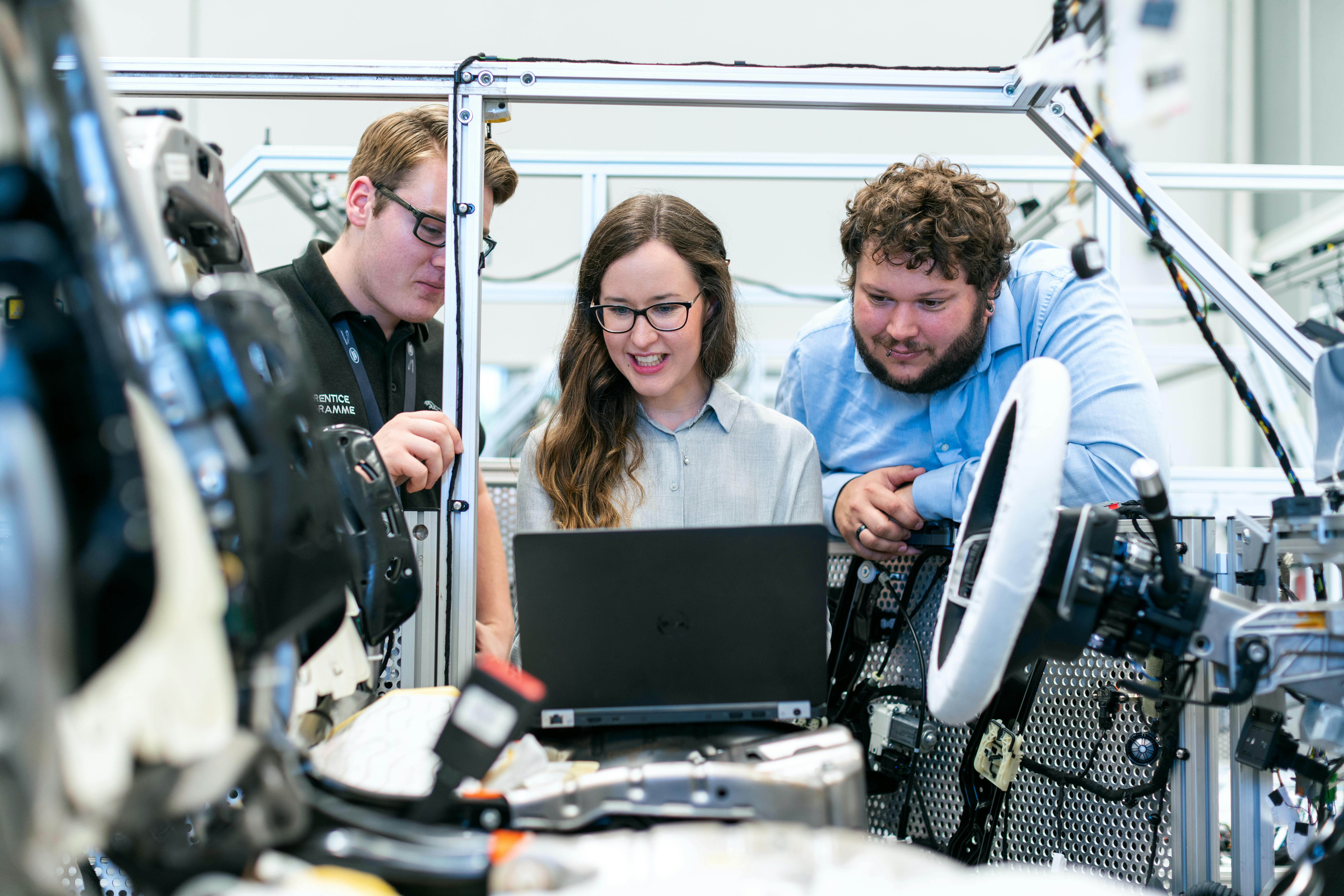
🌈 Realizing the Full Potential of Human-Machine Partnership
The revolution in human-centric automation represents far more than technological advancement—it signals a fundamental reimagining of work itself. By thoughtfully combining human creativity, judgment, and empathy with machine efficiency, consistency, and analytical power, organizations can achieve outcomes that seemed impossible just years ago.
The most successful organizations recognize that human-centric automation isn’t about replacing workers with machines, but about creating partnerships that elevate both human potential and technological capability. In these environments, employees feel empowered rather than threatened, energized rather than exhausted, and valued for their uniquely human contributions.
As automation technologies continue advancing, the organizations that thrive will be those that maintain unwavering focus on human needs, experiences, and potential. They will use automation not to minimize human involvement but to maximize human impact, creating workplaces where technology serves as an enabler of human flourishing rather than a replacement for human contribution.
The future of work lies not in choosing between humans and machines, but in thoughtfully orchestrating their collaboration to create value that neither could generate alone. Organizations that embrace this vision, implementing automation with genuine commitment to human empowerment, will define competitive advantage in the decades ahead while creating workplaces where both people and organizations can truly thrive.