The boundaries between the physical and digital worlds are dissolving at an unprecedented pace, ushering in an era where our senses can be augmented, expanded, and entirely reimagined through technology.

As we stand on the precipice of a sensory revolution, innovations in virtual reality, haptic feedback, neural interfaces, and multisensory integration are fundamentally transforming how humans perceive and interact with digital environments. This convergence of technologies promises not merely to entertain us, but to fundamentally enhance our cognitive abilities, emotional experiences, and understanding of reality itself.
🌐 The Dawn of Multisensory Digital Ecosystems
Traditional digital experiences have predominantly relied on visual and auditory stimulation, leaving our other senses largely untapped. However, the landscape is rapidly changing as researchers and developers explore ways to incorporate touch, smell, taste, and even proprioception into digital interactions. This holistic approach to sensory engagement represents a paradigm shift from passive consumption to active immersion.
The global market for immersive technologies reflects this transformation, with projections suggesting exponential growth over the next decade. Industries ranging from healthcare and education to entertainment and retail are investing heavily in technologies that can deliver richer, more meaningful sensory experiences to users worldwide.
What makes this evolution particularly fascinating is the convergence of multiple technological streams. Artificial intelligence, 5G connectivity, advanced materials science, and miniaturized electronics are combining to create possibilities that seemed like pure science fiction just years ago.
🎮 Beyond Visual Realism: The Haptic Renaissance
Haptic technology has emerged as one of the most promising frontiers in sensory expansion. While simple vibration feedback has existed in gaming controllers for decades, modern haptic systems can simulate textures, temperatures, resistance, and even the sensation of virtual objects with remarkable precision.
Advanced haptic gloves now enable users to feel the contours of digital sculptures, sense the weight of virtual tools, and experience tactile feedback that mirrors real-world interactions. These devices employ sophisticated actuator arrays, ultrasonic technology, and electrostatic fields to create sensations that trick our nervous system into perceiving digital touch as genuine physical contact.
Applications Transforming Industries
The medical field has been particularly enthusiastic about haptic integration. Surgical training simulations now provide resident doctors with realistic feedback when practicing procedures, allowing them to develop muscle memory and technique without risk to patients. Remote surgery, once purely theoretical, is becoming viable through haptic telepresence systems that allow surgeons to feel tissue resistance and anatomical structures from thousands of miles away.
In the automotive industry, haptic interfaces are replacing traditional controls with responsive surfaces that provide tactile confirmation of commands without requiring drivers to divert their visual attention from the road. This application demonstrates how sensory expansion can enhance safety while maintaining technological sophistication.
👃 Olfactory and Gustatory Frontiers: Digital Scent and Taste
Perhaps the most challenging sensory domains to digitize have been smell and taste, yet significant progress is being made even in these complex areas. Digital scent technology utilizes cartridge-based systems containing various aroma compounds that can be combined in different ratios to recreate thousands of distinct smells.
Several companies are developing wearable scent devices that synchronize with virtual reality experiences, adding an olfactory dimension to digital environments. Imagine exploring a virtual forest and actually smelling pine needles, or touring a digital recreation of an ancient market complete with the scent of spices and baked goods.
Taste presents even greater technical challenges due to its complexity and intimate connection with smell. However, researchers have developed electrode-based devices that can stimulate taste receptors electrically, creating sensations of saltiness, sweetness, sourness, and bitterness without actual chemical compounds. While still in early stages, this technology hints at possibilities for virtual dining experiences and therapeutic applications for individuals with taste disorders.
🧠 Neural Interfaces: Direct Brain-Computer Communication
The ultimate form of sensory expansion may lie not in sophisticated external devices, but in direct communication between digital systems and the human nervous system. Brain-computer interfaces (BCIs) are advancing rapidly, moving from laboratory curiosities to increasingly practical applications.
Non-invasive BCIs using electroencephalography (EEG) can already detect user intentions and mental states, allowing for control of digital devices through thought alone. While current systems have limited bandwidth and precision, they represent the first steps toward truly seamless human-machine integration.
Invasive and Semi-Invasive Approaches
More ambitious projects involve implanted electrodes that interface directly with neural tissue. These systems offer dramatically higher resolution and bidirectional communication, potentially allowing digital information to be written directly to sensory processing areas of the brain. The implications are staggering: entirely new sensory modalities could be added to human perception, from echolocation to electromagnetic field detection.
Ethical considerations surrounding neural interfaces are substantial and warrant careful consideration. Questions about privacy, identity, cognitive liberty, and the potential for misuse must be addressed as these technologies mature. However, the therapeutic potential for individuals with sensory impairments or neurological conditions provides compelling justification for continued research.
🎭 Immersive Storytelling and Experiential Content
As sensory expansion technologies mature, content creators are reimagining storytelling itself. Traditional narrative structures designed for passive viewing are giving way to participatory experiences where audience members become active agents within story worlds.
Volumetric video capture allows performances to be recorded in three dimensions, enabling viewers to move freely around actors and scenes. Combined with spatial audio that changes based on listener position, these experiences create unprecedented levels of presence and emotional connection.
The Evolution of Social Presence
Virtual social spaces are incorporating increasingly sophisticated sensory elements to bridge the gap between digital interaction and physical presence. Subtle cues like breathing rhythms, micro-expressions, and even simulated pheromone signaling are being explored as ways to enhance interpersonal connection in virtual environments.
These developments have profound implications for remote work, long-distance relationships, and social connection in an increasingly distributed world. The COVID-19 pandemic accelerated acceptance of virtual interaction, and enhanced sensory technologies promise to make these experiences far more satisfying and meaningful.
🏥 Therapeutic Applications and Health Benefits
Beyond entertainment and communication, sensory expansion technologies are proving valuable in medical and therapeutic contexts. Virtual reality exposure therapy has demonstrated remarkable effectiveness in treating phobias, PTSD, and anxiety disorders by allowing controlled, graduated exposure to triggering stimuli in safe environments.
Chronic pain management represents another promising application. By immersing patients in engaging multisensory experiences, VR systems can effectively reduce perceived pain levels through distraction and neuroplastic effects. Some systems incorporate biofeedback elements, teaching patients to modulate their own physiological responses through real-time sensory feedback.
Cognitive Enhancement and Rehabilitation
Stroke victims and individuals with traumatic brain injuries are benefiting from immersive rehabilitation programs that engage multiple senses simultaneously. These systems can accelerate neuroplastic recovery by providing enriched sensory environments that encourage neural pathway reconstruction.
Cognitive training applications are exploring whether enhanced sensory stimulation can improve memory, attention, and processing speed. While research is ongoing, preliminary results suggest that multisensory learning environments may offer advantages over traditional methods, particularly for individuals with learning differences.
🎨 Creative Expression in Expanded Dimensions
Artists and musicians are embracing sensory expansion technologies as new mediums for creative expression. Synaesthetic experiences that blend multiple senses intentionally are becoming increasingly common, with visual artists incorporating sound, haptic feedback, and even scent into their works.
Musical performances are evolving beyond audio to become fully immersive sensory events. Haptic suits allow audience members to feel bass frequencies and rhythmic patterns physically, while synchronized lighting and even temperature changes create holistic experiences that engage the entire body.
Digital art galleries are reimagining exhibition spaces as multisensory environments where visitors don’t simply view artworks but step inside them, experiencing the artist’s vision from within. These developments are democratizing access to art while simultaneously expanding what artistic expression can be.
🏢 Commercial Applications and Market Transformation
Retail experiences are being revolutionized through sensory technologies that allow customers to virtually try products before purchase. Fashion retailers offer virtual fitting rooms with haptic feedback that simulates fabric textures, while furniture companies enable customers to visualize and experience products in their actual living spaces through augmented reality.
The real estate industry has embraced virtual property tours enhanced with spatial audio and even scent diffusion to help prospective buyers evaluate properties remotely. These technologies became particularly valuable during pandemic lockdowns and continue to offer convenience and accessibility benefits.
Training and Skill Development
Corporate training programs are incorporating immersive simulations that engage multiple senses to improve retention and skill transfer. From manufacturing procedures to customer service scenarios, multisensory training environments allow employees to practice in realistic contexts without the costs and risks associated with real-world training.
Athletic training applications use haptic feedback and motion tracking to help athletes refine technique and develop muscle memory. These systems can provide immediate corrective feedback that would be impossible for human coaches to deliver with equivalent speed and precision.
🔬 Technical Challenges and Innovation Frontiers
Despite remarkable progress, significant technical challenges remain in realizing the full potential of digital sensory expansion. Latency between user actions and sensory feedback must be minimized to maintain immersion and prevent motion sickness. Current systems typically require latency below 20 milliseconds to feel natural, a demanding specification that requires sophisticated hardware and software optimization.
Power consumption and thermal management present ongoing obstacles, particularly for wearable and mobile devices. Creating rich multisensory experiences demands substantial computational resources, and current battery technology often limits session durations or requires tethered connections that reduce freedom of movement.
Standardization and Interoperability
The industry lacks comprehensive standards for sensory data formats and device communication protocols. This fragmentation means experiences designed for one platform rarely translate effectively to others, limiting content availability and developer incentives. Industry consortia are working to establish common frameworks, but progress has been gradual.
Achieving photorealistic graphics, convincing haptics, spatial audio, and synchronized multisensory feedback simultaneously remains computationally intensive. As hardware capabilities improve and rendering algorithms become more efficient, these limitations are gradually being overcome, but perfect sensory replication remains an aspirational goal rather than current reality.
🌍 Accessibility and Inclusivity Considerations
Sensory expansion technologies hold tremendous promise for individuals with disabilities, potentially offering alternative ways to experience the world. Haptic interfaces can convey visual information to blind users, while visual and haptic feedback can assist deaf individuals in perceiving auditory cues.
However, ensuring these technologies remain accessible rather than creating new divides requires intentional design choices. Cost barriers, technical complexity, and assumptions about user capabilities can inadvertently exclude populations who might benefit most from sensory augmentation.
Adaptive interfaces that accommodate varying abilities and customizable sensory profiles are essential features that developers must prioritize. The goal should be universal design principles that make immersive experiences available to the broadest possible audience rather than exclusively serving able-bodied users.
🔮 Future Trajectories and Speculative Possibilities
Looking forward, the integration of artificial intelligence with sensory technologies promises experiences that adapt dynamically to individual users. AI systems could monitor physiological responses and emotional states, adjusting sensory parameters in real-time to optimize engagement, comfort, or therapeutic outcomes.
Quantum computing may eventually enable simulation of molecular-level interactions, allowing perfect recreation of physical sensations down to chemical bonding forces. Such capabilities would blur the distinction between physical and digital experiences to the point of indistinguishability.
The concept of consensual hallucination, long explored in science fiction, may become reality as neural interfaces advance. Groups of users could share entirely synthetic sensory environments with no correspondence to physical reality, creating collaborative dream-spaces limited only by imagination and computational power.
💡 Embracing the Sensory Revolution Responsibly
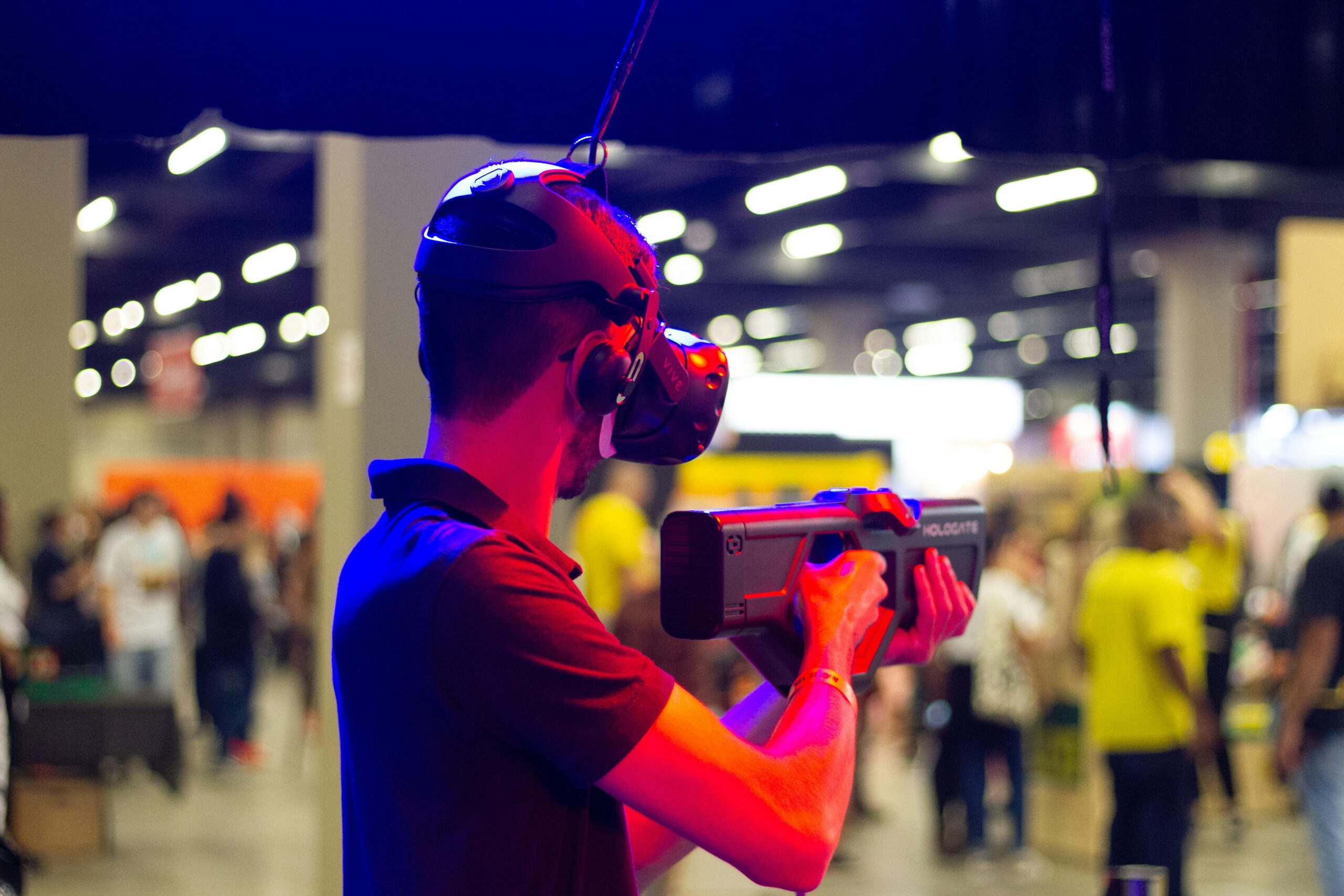
As these transformative technologies mature and proliferate, society faces important choices about how to integrate them responsibly into daily life. Balancing innovation enthusiasm with thoughtful consideration of psychological, social, and ethical implications will determine whether sensory expansion ultimately enhances or diminishes human flourishing.
Education about these technologies, their capabilities, and their limitations is essential for informed public discourse. Users should understand both the remarkable possibilities and the current constraints, approaching immersive experiences with appropriate expectations and critical awareness.
The future of digital sensory expansion is not predetermined but will be shaped by choices made today by researchers, developers, policymakers, and users. By prioritizing human wellbeing, accessibility, privacy, and ethical considerations alongside technical advancement, we can unlock new dimensions of experience that genuinely enrich human life rather than merely creating novel distractions.
The journey toward fully immersive, multisensory digital experiences has only begun. As technologies converge and mature, the boundaries between physical and digital, real and virtual, will continue to dissolve. This represents not an escape from reality but an expansion of what reality can be—a fundamentally optimistic vision of human potential augmented and amplified through thoughtful technological innovation. The coming decades promise experiences and capabilities that would seem magical to previous generations, yet they will become the everyday reality for those navigating this brave new sensory landscape.