The digital age has ushered in unprecedented opportunities for connection, communication, and collaboration. As technology evolves, sensor-driven systems are transforming how humans interact with devices and each other.

From smartphones that recognize our facial expressions to wearable devices that monitor our physical responses, sensor technology is creating a new paradigm of intelligent, responsive interaction. This revolution extends beyond simple data collection, enabling machines to understand, anticipate, and respond to human needs with remarkable precision. The integration of advanced sensors with artificial intelligence is fundamentally reshaping our relationship with technology, creating smarter, more intuitive connections that enhance productivity, well-being, and human experience across multiple domains.
🔬 The Science Behind Sensor-Driven Feedback Systems
Sensor technology has progressed dramatically over the past decade, evolving from simple input devices to sophisticated systems capable of capturing nuanced human behavior and physiological responses. Modern sensors can detect everything from subtle changes in heart rate variability to micro-expressions that reveal emotional states, creating rich datasets that inform intelligent system responses.
These advanced sensing capabilities rely on multiple technologies working in concert. Biometric sensors track physiological signals like heart rate, skin conductance, and body temperature. Motion sensors capture gestures, posture, and movement patterns. Environmental sensors monitor context including lighting, temperature, and ambient noise. Combined with machine learning algorithms, these data streams enable systems to build comprehensive profiles of user states and preferences.
Types of Sensors Revolutionizing Human-Computer Interaction
The sensor ecosystem spans diverse technologies, each contributing unique insights into human behavior and needs. Optical sensors use cameras and infrared technology to track eye movements, facial expressions, and gesture recognition. Acoustic sensors analyze voice patterns, tone, and speech characteristics to understand emotional states and intent. Haptic sensors detect touch pressure, duration, and patterns to enable tactile interfaces.
Wearable sensors have become particularly transformative, embedding technology directly on the body for continuous monitoring. These devices track activity levels, sleep patterns, stress indicators, and health metrics, providing real-time feedback that enables both immediate adjustments and long-term behavioral insights. The miniaturization and improved battery life of these sensors have made continuous monitoring practical and unobtrusive.
💡 Applications Transforming Daily Life and Work
Sensor-driven feedback systems are revolutionizing healthcare by enabling continuous patient monitoring and early intervention. Remote patient monitoring systems use sensors to track vital signs, medication adherence, and activity patterns, alerting healthcare providers to concerning changes before they become critical. This proactive approach reduces hospital readmissions, improves chronic disease management, and enhances quality of life for patients with ongoing health challenges.
Mental health applications represent another frontier where sensor technology is making significant impact. Devices that monitor physiological stress markers can provide early warnings of anxiety episodes, prompting users to engage in coping strategies. Some systems integrate with therapeutic interventions, guiding users through breathing exercises or mindfulness practices when elevated stress levels are detected.
Enhancing Workplace Productivity and Well-being
Corporate environments are leveraging sensor-driven feedback to optimize both performance and employee wellness. Smart office systems adjust lighting, temperature, and acoustics based on occupancy patterns and individual preferences, creating optimal work environments. Ergonomic sensors monitor posture and provide alerts when users maintain unhealthy positions for extended periods, reducing workplace injuries and improving comfort.
Productivity applications use sensor data to help individuals understand their work patterns and optimize their schedules. By tracking focus levels, energy fluctuations, and distraction patterns throughout the day, these systems can recommend optimal times for different types of work, suggest break intervals, and help users structure their days for maximum efficiency.
🎯 Personalization Through Intelligent Feedback Loops
The power of sensor-driven systems lies in their ability to create personalized experiences that adapt to individual users over time. Machine learning algorithms analyze patterns in sensor data to understand unique user characteristics, preferences, and needs. This continuous learning process enables systems to refine their responses, becoming more accurate and helpful with extended use.
Adaptive interfaces represent a compelling application of this personalization capability. Systems that monitor user interaction patterns can automatically adjust interface complexity, prioritize frequently used features, and streamline workflows based on individual usage styles. This reduces cognitive load and makes technology more accessible to users with varying skill levels and abilities.
Context-Aware Computing and Anticipatory Design
Context awareness elevates sensor-driven systems from reactive to anticipatory. By understanding not just what users are doing but where they are, what time it is, and what patterns typically follow, systems can predict needs and prepare appropriate responses. A smartphone might automatically switch to silent mode when sensors detect you’ve entered a meeting room, or adjust display settings based on ambient lighting conditions.
Anticipatory design extends this concept further, using historical patterns and current context to suggest actions before users explicitly request them. Navigation apps might recommend leaving early for appointments based on current traffic patterns and your typical travel time. Fitness applications might suggest workout modifications based on detected fatigue levels or recovery status from previous sessions.
🌐 Building Smarter Social Connections
Social interaction is being enhanced through sensor technology that helps bridge physical and digital communication gaps. Video conferencing systems now use sensors to track attention levels, emotional responses, and engagement patterns, providing speakers with real-time feedback about audience reception. This creates more effective virtual communication by surfacing nonverbal cues that would naturally occur in face-to-face interaction.
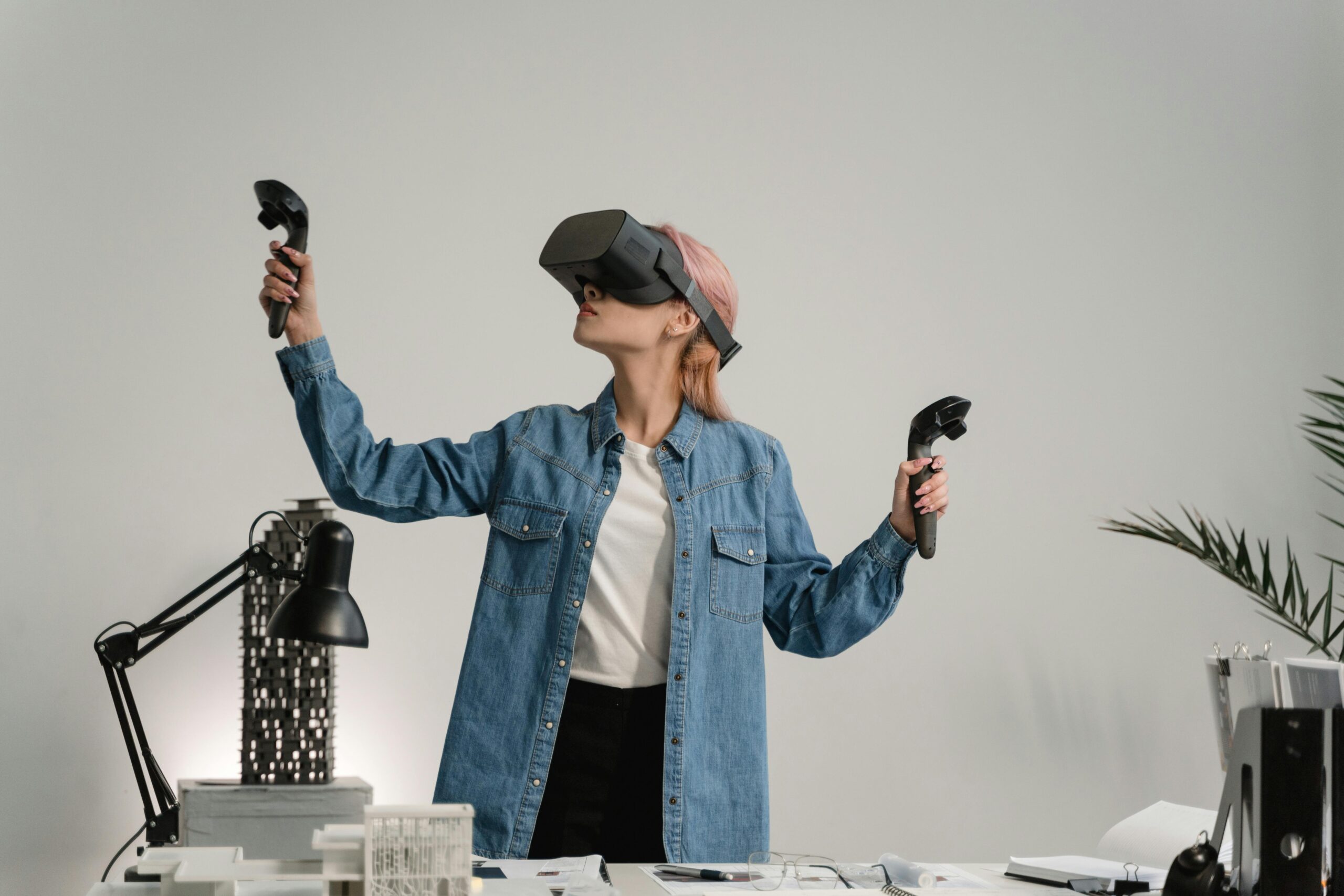
Augmented reality platforms are integrating sensor data to create more immersive social experiences. Devices that track facial expressions and body language can translate these cues into digital avatars, preserving social presence in virtual environments. Eye-tracking technology enables natural gaze direction in virtual meetings, helping participants understand who is addressing whom and maintaining social dynamics.
Accessibility and Inclusive Design
Sensor-driven feedback systems are dramatically improving accessibility for individuals with disabilities. Voice recognition and control systems enable hands-free interaction for those with mobility limitations. Eye-tracking interfaces allow individuals with severe motor impairments to communicate and control devices through gaze alone. Haptic feedback systems provide tactile information for visually impaired users, translating visual content into touch sensations.
These accessibility features demonstrate how sensor technology can create more inclusive experiences. As systems become more sophisticated at interpreting diverse input modalities, they accommodate wider ranges of human ability and preference, moving toward truly universal design that serves all users effectively regardless of their physical or cognitive capabilities.
🔒 Privacy and Ethical Considerations
The extensive data collection inherent in sensor-driven systems raises significant privacy concerns that must be addressed thoughtfully. Biometric and behavioral data reveal intimate details about individuals, creating potential for misuse if not properly protected. Organizations implementing sensor systems must establish robust data governance frameworks that prioritize user privacy, implement strong encryption, and provide transparent information about data collection and usage.
Consent mechanisms need particular attention in sensor-driven environments. Users should have clear control over what data is collected, how it’s used, and who can access it. Opt-in approaches that require explicit permission for data collection are preferable to opt-out models that assume consent by default. Regular audits and transparent reporting help maintain accountability and build user trust.
Algorithmic Bias and Fairness
Machine learning systems that interpret sensor data can perpetuate or amplify existing biases if not carefully designed and tested. Facial recognition systems have demonstrated lower accuracy rates for certain demographic groups, leading to discriminatory outcomes. Developers must prioritize fairness testing across diverse populations and implement corrective measures when bias is detected.
Transparency in algorithmic decision-making helps users understand how sensor data influences system behavior. Explainable AI approaches that provide insight into why systems make particular recommendations or decisions enable users to evaluate accuracy and identify potential biases. This transparency is particularly critical in high-stakes applications like healthcare, hiring, or law enforcement.
🚀 Future Directions and Emerging Technologies
The sensor technology landscape continues to evolve rapidly, with emerging innovations promising even more sophisticated interaction capabilities. Brain-computer interfaces are progressing beyond research laboratories toward practical applications, enabling direct neural control of devices. While still in early stages, these systems could eventually enable seamless thought-based interaction, fundamentally transforming how humans engage with technology.
Molecular sensors represent another frontier, capable of detecting chemical signatures in breath, sweat, or other bodily outputs. These sensors could enable non-invasive health monitoring that detects diseases in their earliest stages or provides real-time feedback about nutritional status, hydration levels, or toxic exposures. The medical implications are profound, potentially shifting healthcare from reactive treatment to proactive prevention.
Integration and Interoperability Challenges
As sensor ecosystems expand, integration becomes increasingly complex. Users may interact with dozens of sensor-enabled devices daily, each collecting data and providing feedback. Creating cohesive experiences requires interoperability standards that enable devices to share data securely and coordinate their responses. Industry collaboration on open protocols and data formats will be essential for realizing the full potential of sensor-driven systems.
Edge computing is emerging as a crucial enabler for responsive sensor systems. By processing data locally on devices rather than transmitting everything to cloud servers, edge computing reduces latency, enhances privacy, and enables operation in environments with limited connectivity. This distributed approach allows real-time responses while minimizing the personal data exposed to network transmission and cloud storage.
📊 Measuring Impact and Effectiveness
Evaluating the true impact of sensor-driven feedback systems requires comprehensive assessment frameworks that go beyond simple usage metrics. Effectiveness should be measured through multiple dimensions including user satisfaction, behavioral outcomes, health improvements, productivity gains, and quality of life enhancements. Longitudinal studies that track users over extended periods provide the most meaningful insights into sustained impact.
User experience research plays a critical role in refining sensor-driven systems. Qualitative feedback about how systems feel to use, whether they create anxiety or reassurance, and how they integrate into daily routines complements quantitative sensor data. Participatory design approaches that involve users in system development help ensure that technological capabilities translate into genuine value rather than intrusive complexity.
🌟 Maximizing the Potential of Sensor-Driven Interaction
Realizing the full potential of sensor technology requires thoughtful implementation that prioritizes human needs over technical capability. Systems should be designed to augment rather than replace human judgment, providing information and suggestions while leaving ultimate control with users. The goal is enhancement rather than automation, supporting human decision-making without undermining autonomy or agency.
Education about sensor technology helps users make informed choices about adoption and use. Understanding what data devices collect, how algorithms interpret that data, and what actions systems might take enables users to configure systems appropriately and recognize when feedback might be inaccurate or inappropriate. Digital literacy initiatives should include sensor technology components to prepare users for increasingly sensor-rich environments.
Creating Sustainable Sensor Ecosystems
Sustainability considerations extend beyond environmental impact to include long-term viability of sensor-driven systems. Devices should be designed for longevity, repairability, and recyclability rather than planned obsolescence. Data portability enables users to switch between platforms without losing historical information that provides context for personalized responses. Open standards and interoperability prevent vendor lock-in that limits user choice.
Energy efficiency is particularly important for wearable and embedded sensors that rely on battery power. Advances in low-power sensing, energy harvesting, and efficient data processing extend operational time and reduce the environmental footprint of widespread sensor deployment. Balancing sensing frequency and data richness with power consumption requires careful optimization for each application context.
🎓 Empowering Users Through Intelligent Feedback
The ultimate promise of sensor-driven feedback systems lies in their potential to empower individuals with actionable insights about themselves and their environments. By making invisible patterns visible, these systems enable informed decision-making about health, productivity, relationships, and personal development. The key is presenting information in accessible, meaningful ways that inspire action rather than overwhelming users with data.
Gamification and motivational design techniques can enhance engagement with sensor feedback. Progress visualization, achievement recognition, and social comparison features tap into intrinsic human motivations, encouraging sustained interaction with beneficial feedback. However, these techniques must be applied thoughtfully to avoid creating unhealthy obsessions or anxiety about metrics.
As sensor technology continues advancing, the boundary between physical and digital experience will increasingly blur. The most successful implementations will be those that feel natural and intuitive, enhancing human capabilities without demanding constant attention or creating dependency. By keeping human needs and values at the center of sensor-driven design, we can build systems that truly revolutionize interaction and unlock smarter, more meaningful connections.
The journey toward fully realized sensor-driven interaction is ongoing, with technical, ethical, and social challenges remaining. Yet the potential benefits—from improved health outcomes to enhanced accessibility, from optimized productivity to richer social connection—make continued innovation essential. By proceeding thoughtfully, prioritizing privacy and fairness, and maintaining focus on genuine human benefit, sensor technology can fulfill its promise of transforming how we interact with technology and each other, creating a future of smarter, more responsive, and more human-centered connections. 🌈