The intersection of artificial intelligence and human capability is reshaping how we approach performance optimization across every domain of life. From athletes pushing physical boundaries to professionals maximizing cognitive output, AI-powered tools are unlocking potential we never knew existed.

This transformation isn’t about replacing human effort—it’s about amplifying it. Smart technologies now analyze patterns, predict outcomes, and provide personalized recommendations that help individuals perform at levels previously thought unattainable. The revolution is here, and it’s fundamentally changing what it means to reach our peak potential.
🚀 The Dawn of AI-Enhanced Human Performance
Artificial intelligence has moved beyond theoretical applications into practical tools that enhance daily performance. Machine learning algorithms now process millions of data points to understand individual patterns, creating customized roadmaps for improvement that adapt in real-time to changing circumstances and needs.
What makes this technological shift revolutionary is its accessibility. Advanced AI capabilities that once required enterprise-level resources are now available through smartphone applications, wearable devices, and cloud-based platforms. This democratization means that everyone—from corporate executives to student athletes—can leverage cutting-edge insights previously reserved for elite performers.
The science behind these innovations combines neuroscience, behavioral psychology, and computational power. AI systems learn from vast datasets encompassing thousands of individuals while simultaneously personalizing recommendations based on your unique physiology, psychology, and goals. This dual approach creates a powerful synergy between population-level insights and individual customization.
💡 Cognitive Enhancement Through Intelligent Systems
Mental performance represents one of the most promising frontiers for AI-driven optimization. Modern AI platforms analyze cognitive patterns to identify peak performance windows, optimal work-rest ratios, and personalized strategies for maintaining focus during demanding tasks.
Brain-computer interfaces and neural monitoring systems now provide real-time feedback on cognitive states. These technologies detect when attention wanes, stress levels rise, or mental fatigue sets in—then immediately suggest interventions. Whether it’s a brief meditation exercise, a strategic break, or a shift in task approach, AI guides users toward sustained high-level cognitive performance.
Personalized Learning Acceleration
AI-powered learning platforms revolutionize how we acquire new skills and knowledge. Adaptive algorithms assess comprehension levels, identify learning style preferences, and adjust content delivery accordingly. This approach reduces the time required to master complex subjects by up to 40% compared to traditional methods.
These systems track micro-behaviors during learning sessions—pause patterns, review frequencies, problem-solving approaches—to build comprehensive profiles of how each individual learns best. The result is a continuously optimizing educational experience that meets learners exactly where they are and guides them efficiently toward mastery.
🏃 Physical Performance Optimization
The athletic world has embraced AI innovations with remarkable results. Professional sports teams now employ sophisticated AI systems that analyze biomechanics, predict injury risks, and optimize training protocols. These same technologies are increasingly available to everyday fitness enthusiasts seeking to improve their physical capabilities.
Wearable sensors collect continuous data on heart rate variability, movement patterns, recovery metrics, and physiological responses to various training stimuli. AI algorithms process this information to create dynamic training plans that balance intensity with recovery, preventing overtraining while maximizing gains.
Injury Prevention Through Predictive Analytics
Perhaps the most valuable contribution of AI to physical performance is predictive injury prevention. Machine learning models identify subtle patterns that precede injuries—changes in gait, reduced range of motion, altered force distribution—often weeks before symptoms appear.
These early warning systems allow athletes and active individuals to make preventive adjustments, potentially avoiding serious injuries that could derail progress. The technology analyzes biomechanical data against databases of thousands of injury cases, recognizing risk patterns invisible to human observation.
🎯 Decision-Making Enhancement
AI innovations dramatically improve decision quality across professional and personal contexts. Advanced systems process complex scenarios, weighing multiple variables simultaneously to surface insights that inform better choices. These tools don’t make decisions for you—they illuminate options and consequences you might otherwise overlook.
Business leaders use AI-powered decision support systems that analyze market trends, competitive dynamics, and organizational data to inform strategic choices. The same underlying technologies help individuals optimize personal decisions around finance, health, career moves, and time allocation.
Real-Time Performance Feedback Loops
Modern AI systems create continuous feedback mechanisms that accelerate improvement. Whether you’re practicing a presentation, refining a golf swing, or developing a new professional skill, AI provides immediate, objective feedback that highlights what’s working and what needs adjustment.
This instant feedback compresses learning curves significantly. Instead of repeating mistakes dozens of times before recognizing them, AI-powered systems flag issues immediately, allowing for rapid correction and faster skill development.
🧠 Emotional Intelligence and AI Support
Emotional regulation and interpersonal effectiveness represent critical components of human performance that AI is now enhancing. Sentiment analysis algorithms can detect emotional states through voice patterns, facial expressions, and text communication, providing valuable self-awareness that many people lack.
Applications in this space help users recognize stress patterns, identify emotional triggers, and develop more effective coping strategies. Some systems provide real-time coaching during difficult conversations or high-pressure situations, suggesting communication approaches likely to produce positive outcomes based on the emotional dynamics at play.
Social Performance Optimization
AI-enhanced communication tools analyze interaction patterns to help individuals become more effective in social and professional relationships. These systems identify communication blind spots—tendencies to interrupt, patterns of negative framing, missed opportunities for positive reinforcement—and suggest behavioral adjustments.
For professionals in client-facing roles, AI systems can analyze thousands of successful interactions to identify common elements of effective communication, then provide personalized guidance on implementing these strategies while maintaining authentic personal style.
⚡ Energy Management and Productivity
Human energy follows natural rhythms that AI systems can map and optimize. By tracking sleep patterns, activity levels, nutritional intake, and performance outputs, intelligent platforms identify your personal energy patterns—when you’re naturally most alert, creative, or physically capable.
Armed with these insights, AI-powered productivity systems recommend optimal task scheduling. Cognitively demanding work gets allocated to your peak mental performance windows, while routine tasks fill lower-energy periods. This alignment between task demands and natural energy fluctuations can increase effective output by 30% or more without requiring additional work hours.
Recovery Optimization
Performance isn’t just about effort—it’s equally about recovery. AI systems monitor recovery metrics including heart rate variability, sleep architecture, and biochemical markers to determine when your body has adequately recovered from previous exertion and is ready for the next challenge.
These technologies prevent the common mistake of training or working intensely when your body needs rest, while also identifying times when you’re fully recovered and could safely push harder. This balanced approach maximizes long-term performance sustainability while minimizing burnout risk.
🔬 Biometric Integration and Health Optimization
The convergence of AI with advanced biometric monitoring creates unprecedented opportunities for health-based performance optimization. Continuous glucose monitors, hormone tracking systems, and microbiome analysis now feed data into AI platforms that identify how various factors—diet, exercise, stress, sleep—affect your individual physiology and performance.
These insights enable precision optimization strategies tailored to your unique biology. Rather than following generic health advice, you receive specific recommendations based on how your body actually responds to different interventions. This personalized approach proves far more effective than one-size-fits-all wellness programs.
🎓 Skill Development Acceleration
Mastering new capabilities represents a core component of human potential. AI-powered skill development platforms dramatically accelerate this process through intelligent practice structuring, weakness identification, and progressive challenge calibration.
These systems employ spaced repetition algorithms, difficulty progression models, and multi-modal learning approaches to optimize skill acquisition. Whether learning a language, musical instrument, technical skill, or physical technique, AI ensures that every practice minute delivers maximum developmental impact.
Deliberate Practice Enhancement
The concept of deliberate practice—focused effort on specific weaknesses—drives skill mastery. AI systems excel at identifying precisely which sub-skills need attention and designing targeted exercises that address these gaps efficiently. This focused approach prevents the common pattern of repeatedly practicing what you’re already good at while neglecting weaknesses.
🌐 Collaborative Intelligence and Team Performance
Human performance often occurs within team contexts where AI innovations unlock collective potential. Intelligent collaboration platforms analyze team dynamics, communication patterns, and individual contributions to optimize group performance. These systems identify when teams work most effectively together and which combinations of individuals produce the strongest results.
Project management AI can predict timeline risks, resource bottlenecks, and coordination challenges before they materialize, allowing proactive adjustments. Team members receive personalized recommendations on how to contribute most effectively based on project phase, team composition, and individual strengths.
🔮 The Future Landscape of Human Potential
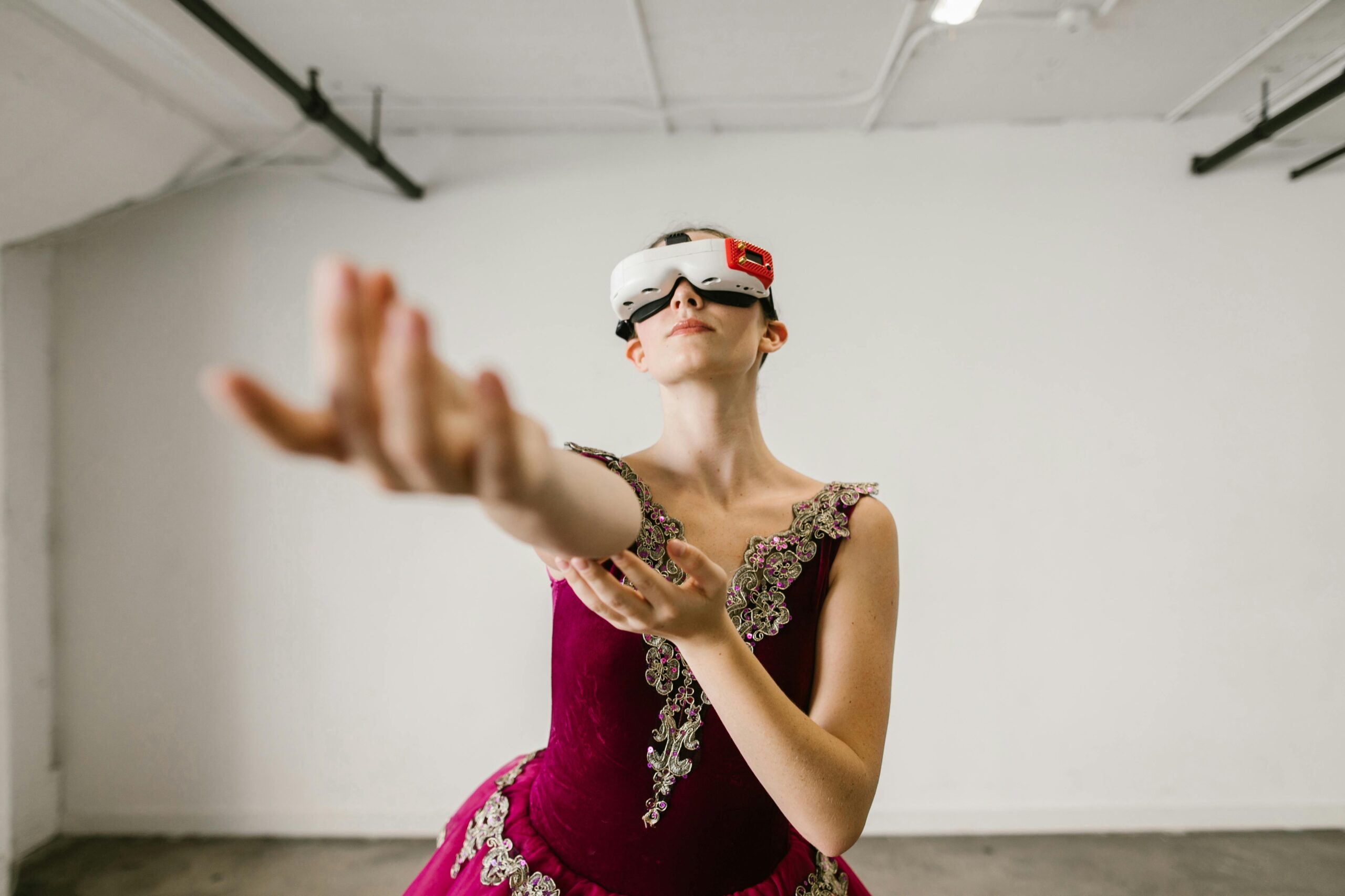
Emerging AI technologies promise even more dramatic performance enhancements. Brain-computer interfaces will eventually allow direct neural optimization, while genetic insights combined with AI will enable performance strategies customized at the molecular level. Augmented reality systems will overlay real-time performance coaching onto our visual field during any activity.
The ethical dimensions of these capabilities deserve careful consideration. As AI-enhanced performance becomes more powerful, questions about fairness, access, and the definition of human achievement will require thoughtful dialogue. The goal should be ensuring these technologies amplify human potential broadly rather than creating new forms of inequality.
💪 Implementing AI Performance Tools in Daily Life
Integrating these innovations doesn’t require wholesale life disruption. Start with one domain—cognitive performance, physical fitness, or skill development—and adopt AI tools that address specific challenges you face. Most platforms offer trial periods allowing experimentation before commitment.
Success with AI performance enhancement requires consistent data input and genuine engagement with recommendations. These systems improve as they learn more about you, so regular use creates a virtuous cycle of increasingly accurate insights and more effective optimization strategies.
Measuring What Matters
Effective use of AI performance tools requires clear metrics defining success in terms meaningful to you. Whether that’s running faster, closing more sales, learning languages more quickly, or maintaining better work-life balance, explicitly defining targets allows AI systems to optimize toward outcomes you actually value.
Avoid the trap of optimizing easily measured metrics that don’t align with your deeper goals. AI is powerful, but it requires human wisdom to point it toward truly meaningful objectives. Regular reflection on whether your performance improvements align with your values ensures technology serves your authentic aspirations.
🌟 Realizing Your Enhanced Potential
The revolution in AI-powered performance enhancement fundamentally changes what’s possible for human achievement. By combining human intention, effort, and wisdom with machine learning, pattern recognition, and predictive analytics, we create a partnership that transcends what either could accomplish alone.
This technology democratizes access to performance optimization strategies once available only to elite athletes, top executives, and specialized professionals. Now anyone with motivation and access to a smartphone can tap into insights that help them perform at levels closer to their true potential.
The journey toward enhanced performance is ongoing rather than a destination. As AI systems learn more about human capability and as you provide more data about your unique patterns, the optimization process continuously improves. Each day presents opportunities to perform slightly better, learn more efficiently, and move closer to realizing capabilities you’re only beginning to discover.
The question isn’t whether AI will transform human performance—that transformation is already underway. The relevant question is how quickly you’ll embrace these tools to unlock your own potential. The technology exists, the platforms are accessible, and the results speak for themselves. Your enhanced future awaits your decision to step into it.