
The boundary between human and machine is rapidly dissolving as cutting-edge technology transforms our biological capabilities. Human augmentation implants are no longer confined to science fiction—they represent a revolutionary frontier that promises to redefine human potential, performance, and longevity in ways previous generations could never imagine.

From cochlear implants restoring hearing to brain-computer interfaces enabling telepathic communication, we stand at the precipice of a transformation that will fundamentally alter what it means to be human. This evolution raises profound questions about identity, ethics, and accessibility while simultaneously offering unprecedented opportunities for enhancing cognitive abilities, physical performance, and overall quality of life.
🧠 The Current Landscape of Human Augmentation Technology
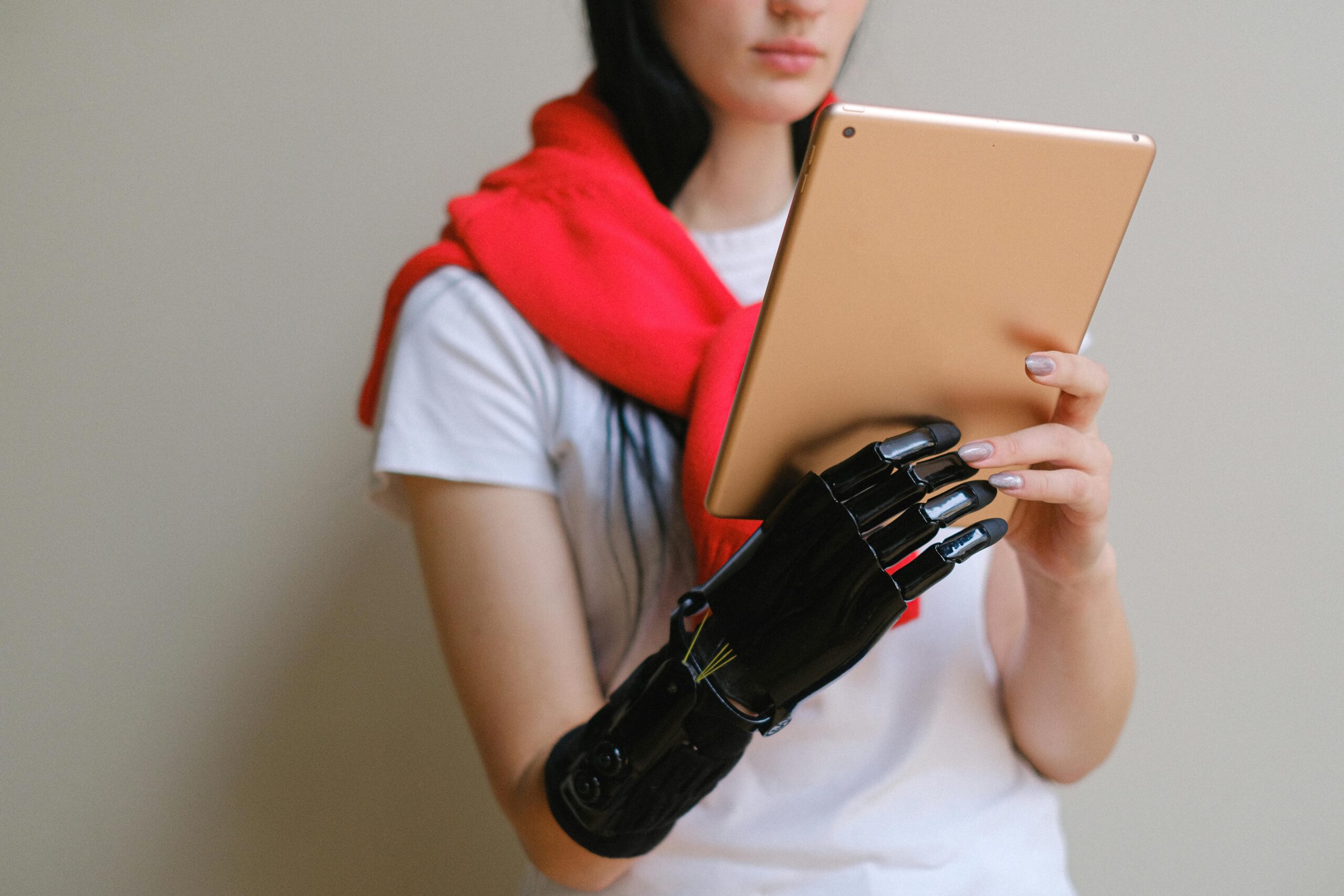
Today’s augmentation implants have evolved far beyond simple prosthetics. Medical necessity has driven remarkable innovations that now serve as springboards for enhancement technologies. Pacemakers regulate millions of hearts worldwide, while cochlear implants have restored hearing to over 700,000 individuals globally. These therapeutic applications have paved the regulatory and technological pathways for more ambitious enhancements.
The contemporary augmentation ecosystem encompasses several distinct categories. Neural implants interface directly with the nervous system, enabling everything from restored mobility for paralyzed patients to enhanced memory formation. Sensory augmentation devices extend human perception beyond natural limitations, allowing us to detect electromagnetic fields, infrared radiation, or ultrasonic frequencies. Meanwhile, performance-enhancing implants optimize physical capabilities, from endurance to strength recovery.
Major technology corporations and research institutions have invested billions into this field. Neuralink, Kernel, and Synchron lead the charge in brain-computer interface development, while companies like Second Sight and Bionic Vision Technologies push the boundaries of artificial vision systems. This competitive landscape accelerates innovation while raising important questions about corporate control over human enhancement.
⚡ Revolutionary Technologies Reshaping Human Capabilities
Brain-Computer Interfaces: Direct Neural Communication
Brain-computer interfaces represent perhaps the most transformative category of human augmentation. These devices establish direct communication pathways between neural tissue and external computing systems, bypassing traditional sensory and motor channels entirely. Current applications focus primarily on medical interventions—restoring communication for locked-in patients or enabling paralyzed individuals to control robotic limbs through thought alone.
However, the enhancement potential extends far beyond therapeutic applications. Future iterations promise seamless information access, allowing users to search the internet, perform calculations, or access memories with the speed of thought. Imagine learning a new language by downloading linguistic patterns directly to your brain, or communicating complex ideas telepathically with others equipped with compatible interfaces.
The technical challenges remain substantial. Achieving sufficient resolution to interpret complex neural patterns requires electrode arrays with thousands of contact points, each maintaining stable connections with surrounding tissue for years or decades. Biocompatibility issues, signal processing limitations, and the brain’s plastic response to foreign objects all present ongoing obstacles that researchers continue to address through innovative materials science and adaptive algorithms.
Sensory Enhancement: Expanding Human Perception
Our sensory organs evolved to detect specific ranges of stimuli relevant to ancestral survival. Augmentation technologies now enable us to transcend these biological constraints. Magnetic implants in fingertips allow users to sense electromagnetic fields, creating an entirely new sensory modality. Retinal implants restore basic vision to the blind while opening possibilities for infrared or ultraviolet perception integration.
Auditory augmentation extends beyond hearing aids to encompass frequency ranges outside human norms. Experimental devices enable echolocation capabilities similar to those used by dolphins and bats, while others filter specific sound frequencies or amplify directional hearing with unprecedented precision. These enhancements don’t merely restore function—they fundamentally expand the human sensory palette.
The psychological implications of new senses deserve careful consideration. How does the brain integrate novel sensory streams? Research indicates remarkable neuroplasticity, with users typically adapting to new senses within weeks or months. This adaptability suggests humans may incorporate increasingly exotic sensory modalities as technologies mature.
Physical Performance Optimization
Athletic performance and physical labor have traditionally been constrained by biological limitations—muscle fatigue, cardiovascular capacity, and recovery times. Augmentation implants increasingly target these bottlenecks. Subdermal sensors monitor biochemical markers in real-time, providing immediate feedback on hydration, glucose levels, lactate accumulation, and inflammatory responses.
More invasive approaches include muscle stimulation implants that optimize contraction patterns, reducing energy expenditure while maximizing force output. Experimental bone-integrated exoskeletons distribute mechanical loads more efficiently, enabling sustained heavy lifting without joint damage. These technologies blur the line between human and machine, creating hybrid systems that amplify natural capabilities.
The military industrial complex has naturally shown intense interest in performance enhancement. DARPA and similar organizations worldwide fund research into fatigue reduction, accelerated healing, and enhanced situational awareness. These applications raise ethical concerns about coercion, inequality, and the militarization of human biology itself.
🔬 The Science Behind Sustainable Enhancement
Long-term implant success requires addressing fundamental challenges at the interface between living tissue and artificial materials. The body’s immune response to foreign objects creates scar tissue that degrades device performance over time. Researchers have developed increasingly sophisticated approaches to minimize this reaction through surface coatings, material selection, and active immune modulation strategies.
Power supply represents another critical constraint. Batteries eventually deplete and require replacement through additional surgery. Wireless power transmission, biofuel cells that harvest energy from glucose in bodily fluids, and kinetic energy harvesting from natural movement all offer potential solutions. Each approach involves tradeoffs between efficiency, safety, and practicality.
Data security emerges as a paramount concern when devices interface with neural tissue or collect sensitive physiological information. Implanted devices require robust encryption to prevent unauthorized access or manipulation. The consequences of a compromised neural implant could range from privacy violations to direct behavioral control—a scenario that demands rigorous security protocols and regulatory oversight.
💡 Real-World Applications Transforming Lives Today
Current augmentation technologies already deliver substantial benefits across numerous domains. Medical applications naturally lead adoption, with deep brain stimulation treating Parkinson’s disease, essential tremor, and treatment-resistant depression. Over 175,000 people worldwide have received these implants, experiencing dramatic symptom reduction that transforms daily life.
Professional contexts increasingly embrace augmentation for competitive advantage. Surgeons use heads-up displays with augmented reality overlays providing real-time anatomical guidance during complex procedures. Manufacturing workers employ augmented vision systems that highlight assembly sequences, reducing errors and training time. These professional applications normalize augmentation technology, gradually shifting public perception from experimental to mainstream.
The consumer market remains nascent but shows promising growth trajectories. Biohackers and early adopters experiment with DIY implants ranging from RFID chips for access control to LED indicators that illuminate in response to magnetic fields. While crude compared to medical-grade devices, these grassroots experiments demonstrate substantial public appetite for enhancement technologies.
🌍 Societal Implications and Ethical Considerations
The Enhancement Divide: Access and Inequality
Perhaps the most pressing ethical concern surrounding human augmentation involves equitable access. Advanced implants will likely remain expensive initially, available primarily to wealthy individuals and well-funded organizations. This creates potential for a biological caste system where enhanced humans enjoy cognitive, physical, and sensory advantages that compound over time, leaving unaugmented populations increasingly disadvantaged.
Historical precedents with other technologies offer mixed lessons. While smartphones and internet access initially served elite populations, costs declined dramatically, enabling widespread adoption. However, quality disparities persist—cheap devices and limited connectivity create digital divides that mirror economic stratification. Whether augmentation technologies follow democratizing or stratifying trajectories depends heavily on regulatory frameworks, intellectual property policies, and social priorities.
Geographic inequality compounds individual economic disparities. Developing nations may lack infrastructure to support advanced augmentation technologies, creating international enhancement gaps. This could exacerbate existing power imbalances, with augmented populations in wealthy countries dominating global economics, politics, and culture.
Identity, Autonomy, and Human Nature
Augmentation technologies challenge fundamental assumptions about personal identity and human nature. If memory implants alter how we recall experiences, do we remain the same person? When neural interfaces blur boundaries between individual minds, what happens to autonomy and selfhood? These philosophical questions have practical implications for legal frameworks, medical ethics, and social relationships.
Religious and cultural perspectives vary dramatically regarding human enhancement. Some traditions embrace technological progress as fulfilling divine mandates to improve creation, while others view biological modification as dangerous hubris. Navigating these diverse value systems requires respectful dialogue and pluralistic policies that accommodate different worldviews without imposing uniformity.
The concept of informed consent becomes increasingly complex with augmentation technologies. How can individuals truly understand implications of technologies that fundamentally alter cognition or perception? When parents consider augmentation for children, how should we balance enhancement opportunities against potential risks and the child’s future autonomy?
🚀 The Road Ahead: Emerging Innovations and Future Possibilities
Current augmentation technologies represent merely the beginning of what’s possible. Researchers envision quantum leaps in capability over coming decades. Artificial general intelligence integration with neural implants could provide instant expert-level knowledge across domains. Genetic engineering combined with electronic enhancement might create hybrid biological-synthetic systems that regenerate and adapt throughout life.
Collective intelligence networks could enable multiple augmented individuals to share sensory streams, thoughts, and cognitive processing power, creating distributed consciousness that transcends individual minds. While speculative, preliminary research demonstrates feasibility of basic brain-to-brain communication, suggesting more sophisticated networks remain plausible.
Longevity enhancement represents another frontier. Implanted devices monitoring cellular aging markers could coordinate interventions that slow or reverse biological deterioration. Combined with regenerative medicine advances, augmentation technologies might extend healthy lifespans dramatically, raising profound questions about population dynamics, resource allocation, and the meaning of mortality.
📋 Regulatory Frameworks and Governance Challenges
Existing medical device regulations struggle to accommodate enhancement technologies that transcend therapeutic applications. Traditional frameworks evaluate safety and efficacy for treating specific conditions, but enhancement raises different questions: How much risk is acceptable for non-medical benefits? Who decides what constitutes legitimate enhancement versus dangerous modification?
International coordination presents significant challenges. Countries with permissive regulations may attract medical tourism, creating competitive pressures for others to liberalize policies. Conversely, restrictive regulations might drive development underground, fostering dangerous DIY practices without proper oversight. Balancing innovation encouragement against safety protection requires nuanced, adaptive governance approaches.
Professional sports organizations already grapple with augmentation questions as technologies blur lines between training aids and unfair advantages. Similar issues arise in education, employment, and military contexts. Developing fair, enforceable policies that accommodate technological progress while preserving competitive integrity demands ongoing stakeholder engagement and flexibility.
🎯 Preparing for an Augmented Future
As augmentation technologies mature from experimental to mainstream, individuals, organizations, and societies must prepare thoughtfully. Education systems should incorporate technological literacy covering both capabilities and limitations of enhancement options. Medical professionals require training in augmentation counseling, helping patients navigate complex decisions about elective modifications.
Insurance and healthcare systems must adapt to enhancement realities. Should augmentation for competitive advantage receive coverage comparable to therapeutic interventions? How do we assess medical necessity when technologies enhance rather than restore function? These questions demand policy innovations that balance individual choice against collective resource constraints.
Public dialogue represents perhaps the most critical preparation element. Democratic societies must engage diverse stakeholders—ethicists, technologists, patients, religious leaders, and ordinary citizens—in conversations about enhancement futures we want to create. These discussions should occur proactively, shaping development trajectories rather than merely reacting to accomplished facts.
🌟 Embracing Enhancement While Preserving Humanity
The future of human augmentation implants promises extraordinary possibilities for enhanced life and performance. We stand poised to transcend biological limitations that have constrained human potential throughout history. Cognitive enhancement could accelerate scientific discovery, artistic creation, and problem-solving capabilities. Physical augmentation might eliminate disability, extend healthy lifespans, and expand our physical presence beyond Earth.
However, realizing these benefits while preserving essential human values requires wisdom, foresight, and inclusive decision-making. We must ensure enhancement technologies serve human flourishing rather than narrow commercial interests or existing power structures. Equity considerations should guide development and distribution policies, preventing enhancement from exacerbating social divisions.
The technologies themselves remain morally neutral—tools that can serve various ends depending on how we deploy them. Our challenge involves creating social, legal, and ethical frameworks that channel augmentation potential toward broadly beneficial outcomes while respecting individual autonomy and cultural diversity. This balancing act will define whether enhancement technologies liberate human potential or create new forms of inequality and control.
As we navigate this transformative era, maintaining perspective proves essential. Augmentation technologies should enhance rather than replace valued human qualities—creativity, empathy, wisdom, and connection. The goal isn’t transcending humanity but fulfilling it, using technology to become more fully ourselves rather than something entirely different. With thoughtful guidance, human augmentation can unlock limitless potential while preserving the essence of what makes us human.