The energy sector stands at a critical juncture where digital transformation is no longer optional but essential. Digital replicas of the energy grid, known as digital twins, are revolutionizing how we manage, optimize, and future-proof our power infrastructure in an increasingly complex world.

As climate change accelerates and renewable energy sources proliferate, utility companies face unprecedented challenges in maintaining grid stability while reducing carbon emissions. The traditional approaches to grid management are proving inadequate for the demands of modern energy systems that must accommodate bidirectional power flows, distributed generation, and variable renewable resources.
🔌 Understanding Digital Twins in Energy Infrastructure
A digital twin is a virtual representation of a physical asset, system, or process that mirrors its real-world counterpart in real-time. In the context of energy grids, these sophisticated models integrate data from sensors, weather systems, consumer behavior patterns, and equipment performance metrics to create a living, breathing digital ecosystem.
These virtual replicas go far beyond simple simulation software. They continuously update themselves with real-world data, enabling utilities to monitor grid conditions, predict potential failures, test operational scenarios, and optimize performance without risking actual infrastructure or service disruptions.
The technology combines Internet of Things (IoT) sensors, artificial intelligence, machine learning algorithms, and cloud computing to deliver unprecedented visibility into grid operations. This convergence of technologies creates opportunities that were unimaginable just a decade ago.
The Evolution from Static Models to Dynamic Digital Replicas
Traditional grid management relied on periodic inspections, scheduled maintenance, and reactive responses to failures. Digital twins represent a paradigm shift toward predictive, proactive, and prescriptive operational strategies that transform how utilities approach asset management and system optimization.
Early grid models were static representations used primarily for planning and design purposes. Modern digital twins evolve continuously, learning from operational data and improving their predictive capabilities over time. This dynamic nature makes them invaluable for managing increasingly complex energy systems.
⚡ Unlocking Operational Efficiency Through Virtualization
Digital replicas deliver measurable efficiency gains across multiple operational dimensions. By providing real-time visibility into grid performance, utilities can identify inefficiencies, optimize power flows, and reduce energy losses that traditionally plague transmission and distribution networks.
Transmission losses alone account for approximately five to eight percent of total electricity generation in most developed countries. Digital twins help minimize these losses by optimizing voltage levels, identifying equipment degradation, and suggesting operational adjustments that improve overall system efficiency.
Predictive Maintenance: From Reactive to Proactive
One of the most significant efficiency benefits comes from transforming maintenance strategies. Traditional time-based maintenance schedules often result in unnecessary interventions or, conversely, unexpected failures between scheduled maintenance windows. Digital twins enable condition-based maintenance that addresses issues precisely when needed.
By analyzing patterns in equipment performance data, digital replicas can predict component failures weeks or months in advance. This foresight allows utilities to schedule maintenance during optimal windows, reduce emergency repair costs, extend asset lifespans, and minimize service disruptions to customers.
Studies indicate that predictive maintenance enabled by digital twins can reduce maintenance costs by twenty to thirty percent while decreasing equipment downtime by up to fifty percent. These improvements translate directly to enhanced reliability and customer satisfaction.
🌍 Building Resilience in an Uncertain Climate
Climate change introduces unprecedented volatility into energy systems. Extreme weather events are becoming more frequent and severe, threatening grid infrastructure and causing costly outages. Digital twins provide critical capabilities for building climate resilience into modern power systems.
Virtual replicas allow utilities to model the impact of various weather scenarios on grid infrastructure before events occur. This capability enables proactive measures such as pre-positioning repair crews, adjusting operational parameters, and communicating with customers about potential service impacts.
Scenario Planning and What-If Analysis
Digital twins excel at scenario planning, allowing operators to test countless hypothetical situations without real-world consequences. What happens if a major transmission line fails during peak demand? How would the system respond to a cyberattack? What operational adjustments optimize performance during a heat wave?
These questions can be answered virtually, providing operators with playbooks for responding to various contingencies. This preparation dramatically reduces response times during actual emergencies and helps maintain service continuity even under challenging conditions.
The ability to conduct risk-free experimentation extends to testing new operational strategies, evaluating infrastructure investments, and training personnel in realistic virtual environments before implementing changes in the physical grid.
🔋 Integrating Renewable Energy and Distributed Resources
The transition to renewable energy sources introduces variability and complexity that traditional grid management approaches struggle to accommodate. Solar and wind generation fluctuate with weather conditions, creating challenges for maintaining the precise balance between supply and demand that electrical systems require.
Digital twins provide the sophisticated modeling and forecasting capabilities needed to integrate high penetrations of renewable energy reliably. By combining weather predictions, historical generation patterns, and real-time performance data, these virtual systems help operators anticipate renewable output and adjust conventional generation accordingly.
Managing Bidirectional Power Flows
The proliferation of rooftop solar panels, battery storage systems, and electric vehicles transforms consumers into “prosumers” who both consume and generate electricity. This fundamental shift creates bidirectional power flows that traditional distribution systems were never designed to handle.
Digital replicas model these complex interactions, identifying potential voltage issues, transformer overloads, and protection system challenges before they cause problems. This visibility enables utilities to manage distributed energy resources effectively while maintaining grid stability and power quality.
Advanced digital twins can even optimize the dispatch of distributed resources, treating thousands of small assets as virtual power plants that can provide grid services previously delivered only by large central generation facilities.
📊 Data-Driven Decision Making at Scale
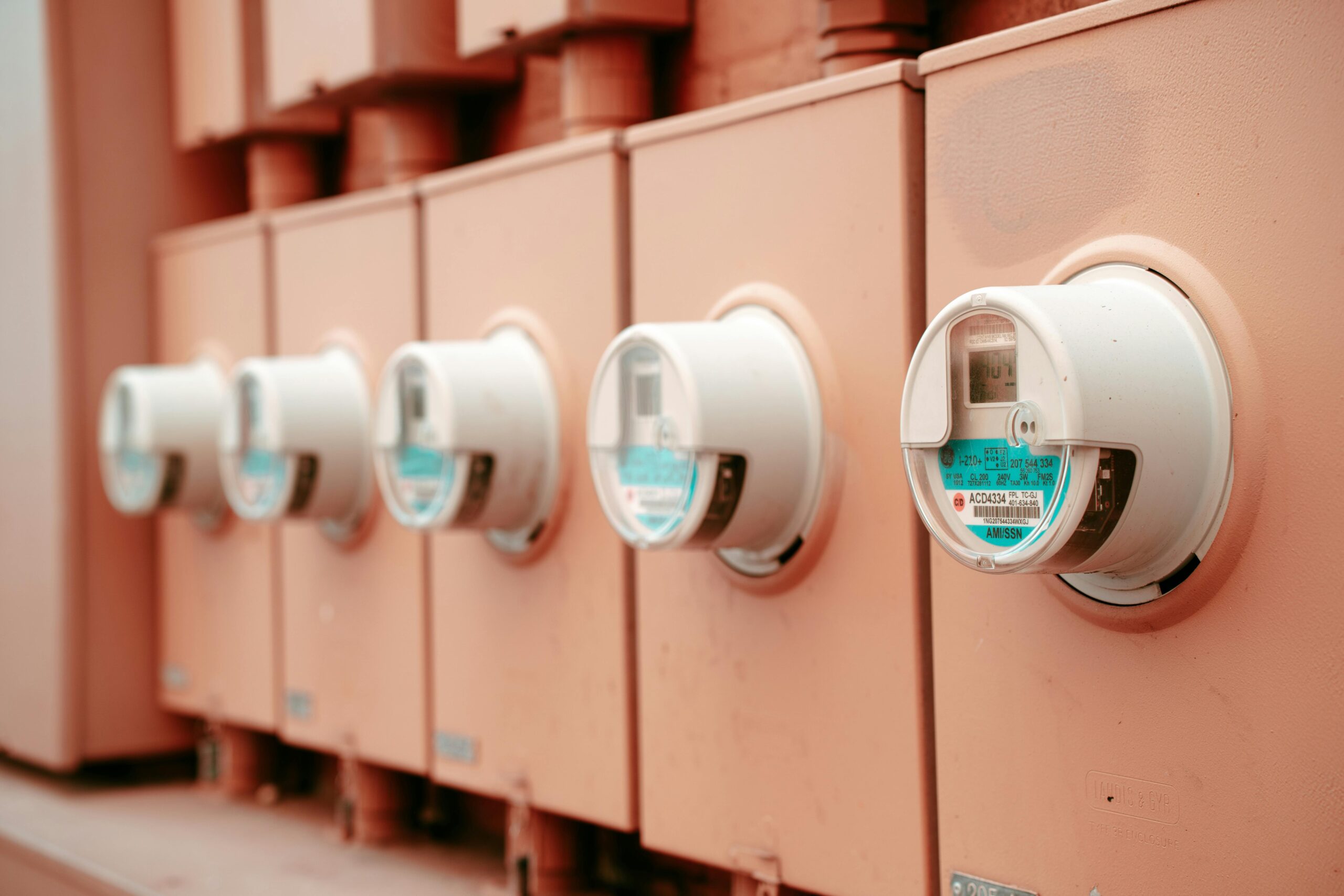
Modern energy grids generate enormous volumes of data from smart meters, sensors, protection devices, and control systems. Without sophisticated analytics, this data overwhelm human operators rather than enhancing decision-making. Digital twins transform raw data into actionable intelligence.
Machine learning algorithms embedded in digital replicas identify patterns, anomalies, and correlations that would be impossible for humans to detect manually. These insights inform operational decisions, investment priorities, and strategic planning with unprecedented precision.
Real-Time Optimization and Control
The most advanced digital twin implementations move beyond monitoring and prediction to active optimization and control. These systems can automatically adjust grid operations within predefined parameters, responding to changing conditions faster than human operators while coordinating actions across geographically dispersed infrastructure.
Real-time optimization considers multiple objectives simultaneously: minimizing costs, reducing emissions, maintaining reliability, and meeting regulatory requirements. The digital twin evaluates countless possible operational configurations to identify optimal strategies that balance these competing priorities.
This capability becomes increasingly valuable as energy systems grow more complex and the window for human decision-making narrows. Automated systems guided by digital twins can respond to grid disturbances in milliseconds, preventing minor issues from cascading into major outages.
💡 Customer-Centric Benefits and Engagement
While much focus on digital twins centers on utility operations, these technologies also deliver significant customer benefits. Improved reliability, faster outage restoration, and enhanced service quality directly impact consumers and businesses that depend on uninterrupted electricity supply.
Digital replicas enable more accurate outage predictions and restoration time estimates, allowing utilities to provide customers with better information during service disruptions. This transparency improves customer satisfaction even when outages occur, as people appreciate knowing what to expect and when service will be restored.
Enabling New Service Models
The insights generated by digital twins support innovative customer programs and services. Time-of-use rates, demand response programs, and distributed energy resource integration all benefit from the enhanced visibility and control that virtual grid replicas provide.
Customers increasingly expect personalized services and real-time information about their energy consumption. Digital twins provide the analytical foundation for delivering these experiences while maintaining grid reliability and optimizing system costs.
🛡️ Cybersecurity and Digital Infrastructure Protection
As energy grids become more digitized and interconnected, cybersecurity emerges as a critical concern. Digital twins themselves must be secured, but they also provide capabilities for detecting and responding to cyber threats against grid infrastructure.
By establishing baselines of normal system behavior, digital replicas can identify anomalies that might indicate cyberattacks or unauthorized access. This capability complements traditional cybersecurity measures, providing an additional layer of defense for critical infrastructure.
Virtual testing environments created by digital twins allow security teams to assess vulnerabilities, test defensive measures, and train personnel without exposing actual grid infrastructure to risk. This safe experimentation platform strengthens overall system security posture.
🚀 Implementation Challenges and Success Factors
Despite their tremendous potential, implementing digital twin technology presents significant challenges. Data quality and integration remain persistent obstacles, as energy grids often include legacy equipment that lacks modern sensing and communication capabilities.
Successful implementations require substantial upfront investments in sensors, communication networks, computing infrastructure, and specialized software. Organizations must also develop new competencies, combining traditional utility expertise with data science, software engineering, and advanced analytics capabilities.
Change Management and Organizational Culture
Technology alone cannot deliver digital twin benefits. Organizational culture, processes, and decision-making frameworks must evolve to leverage the capabilities these systems provide. This human dimension often proves more challenging than the technical implementation.
Utilities accustomed to traditional operational approaches may resist data-driven recommendations from digital systems. Building trust in these tools requires demonstrating value through pilot projects, training personnel, and gradually expanding implementation scope as confidence grows.
Leadership commitment and cross-functional collaboration are essential success factors. Digital twin initiatives that remain confined to IT departments or innovation labs rarely achieve their full potential. Integration into core operations requires engagement from engineering, operations, planning, and executive leadership.
🌟 The Road Ahead: Future Developments and Opportunities
Digital twin technology continues evolving rapidly, with emerging capabilities promising even greater benefits. Advanced artificial intelligence techniques, edge computing, and quantum computing will enhance the sophistication and responsiveness of virtual grid replicas.
Interconnected digital twins representing different portions of the energy system will create ecosystem-level visibility, enabling coordination across generation, transmission, distribution, and consumption. This holistic perspective will unlock optimization opportunities impossible to achieve with isolated system views.
The convergence of energy systems with transportation, buildings, and industrial processes through sector coupling will increase complexity while creating new efficiency opportunities. Digital twins will be essential for managing these interdependencies and optimizing outcomes across traditional sector boundaries.
Democratizing Advanced Grid Management
As digital twin platforms mature and become more accessible, smaller utilities and developing regions will gain access to capabilities previously available only to large, well-resourced organizations. Cloud-based platforms and as-a-service delivery models are democratizing access to sophisticated grid management technologies.
This democratization accelerates the global energy transition, enabling communities worldwide to build resilient, efficient, and sustainable electricity systems regardless of their size or resources. The sharing of insights and best practices across digital twin implementations creates network effects that benefit the entire industry.
🎯 Transforming Energy Systems for Tomorrow
Digital replicas of the energy grid represent far more than a technological upgrade. They embody a fundamental transformation in how we conceive, operate, and evolve our energy infrastructure. By creating virtual counterparts of physical systems, utilities gain unprecedented capabilities for optimization, risk management, and innovation.
The path forward requires sustained commitment, strategic investment, and willingness to embrace new operational paradigms. Organizations that successfully implement digital twin technologies position themselves as leaders in the energy transition, delivering superior reliability, efficiency, and customer value.
As extreme weather events intensify, renewable energy proliferates, and customer expectations evolve, the utilities that thrive will be those that leverage digital twins to build resilience, unlock efficiency, and adapt continuously to changing conditions. The future of energy management is virtual, and that virtual future is arriving faster than most anticipated.
The journey toward fully realized digital twins encompasses technical, organizational, and cultural dimensions. Success requires not only implementing sophisticated technology but also cultivating the expertise, processes, and mindsets needed to extract maximum value from these powerful tools. The organizations that master this transition will shape the sustainable, resilient energy systems of tomorrow.