The landscape of human capability is being redefined through neural prosthetics that bridge the gap between biological limitations and technological innovation.

For millions of people worldwide living with paralysis, limb loss, or neurological conditions, the promise of regaining independence has long seemed like a distant dream. Today, that dream is rapidly becoming reality as cutting-edge assistive neural prosthetics emerge from research laboratories and enter clinical applications. These remarkable devices represent more than just technological achievements—they symbolize hope, autonomy, and the fundamental human right to live life on one’s own terms. The convergence of neuroscience, artificial intelligence, robotics, and biomedical engineering is creating prosthetic solutions that don’t just replace lost function but enhance human capabilities in ways previously confined to science fiction.
🧠 Understanding Neural Prosthetics: Beyond Traditional Solutions
Neural prosthetics, also known as brain-computer interfaces or neuroprosthetics, represent a quantum leap beyond conventional prosthetic devices. While traditional prosthetics provide mechanical replacement for lost limbs, neural prosthetics establish direct communication pathways between the nervous system and external devices. This fundamental difference transforms users from passive recipients of assistive technology into active controllers of sophisticated systems that respond to their intentions with remarkable precision.
The core principle underlying these systems involves interpreting neural signals—either from the brain, spinal cord, or peripheral nerves—and translating them into commands that control prosthetic limbs, computer cursors, or other assistive technologies. This bidirectional communication allows not only for control but also for sensory feedback, creating a closed-loop system that mimics natural neuromuscular function.
Modern neural prosthetics employ various signal acquisition methods, including invasive electrode arrays implanted directly into brain tissue, electrocorticography devices placed on the brain surface, and non-invasive systems that read signals through the scalp. Each approach offers distinct advantages in terms of signal quality, surgical risk, and long-term viability, making neural prosthetics increasingly accessible to diverse patient populations.
The Science Behind Thought-Controlled Movement
The seemingly magical ability to control prosthetic devices with thoughts alone rests on decades of neuroscience research mapping how the brain plans and executes movement. When we intend to move, specific populations of neurons in the motor cortex fire in patterns that encode movement parameters like direction, speed, and force. Neural prosthetics capture these patterns using microelectrode arrays capable of recording from individual neurons or small neural populations.
Advanced machine learning algorithms then decode these neural patterns in real-time, translating complex brain activity into control signals for prosthetic devices. These algorithms undergo extensive training periods where users perform imagined or attempted movements while the system learns to recognize their unique neural signatures. Over time, both the user’s brain and the decoding algorithms adapt to each other through neuroplasticity and machine learning optimization, creating increasingly intuitive control.
Recent breakthroughs in artificial intelligence have dramatically improved decoding accuracy and speed. Deep learning networks can now identify subtle patterns in neural activity that human researchers might overlook, enabling more natural and responsive prosthetic control. Some systems achieve response times approaching those of natural limb movement, virtually eliminating the frustrating delays that plagued earlier generations of neural prosthetics.
⚡ Revolutionary Applications Transforming Daily Living
The practical applications of neural prosthetics extend far beyond laboratory demonstrations, fundamentally changing how individuals with disabilities navigate their daily lives. Individuals with high-level spinal cord injuries who once required constant assistance can now use brain-controlled robotic arms to feed themselves, operate computers, and interact with their environment independently.
Restoring Mobility and Manipulation
Advanced prosthetic limbs controlled by neural signals offer unprecedented dexterity and natural movement. Users report being able to perform delicate tasks like handling eggs, typing on keyboards, and even playing musical instruments—activities impossible with conventional prosthetics. The integration of tactile sensors provides sensory feedback, allowing users to gauge grip pressure and object texture, creating a more complete and intuitive experience.
For individuals with lower-limb paralysis, neural prosthetics are enabling walking through brain-controlled exoskeletons and functional electrical stimulation systems that activate the user’s own muscles in coordinated patterns. These systems restore not just mobility but also the health benefits of standing and walking, including improved circulation, bone density, and cardiovascular function.
Communication Breakthroughs for Locked-In Syndrome
Perhaps nowhere is the life-changing impact more profound than for individuals with locked-in syndrome or severe communication disabilities. Neural prosthetics capable of decoding intended speech directly from brain activity are giving voice to those who have been silent for years. These systems can generate synthetic speech or text at rates approaching natural conversation, reconnecting users with loved ones and enabling them to express their thoughts, needs, and personalities.
Recent research has demonstrated that neural signals associated with attempted handwriting can be decoded with remarkable accuracy, allowing paralyzed individuals to “write” messages simply by imagining forming letters. This approach achieves communication speeds significantly faster than traditional letter-by-letter spelling interfaces, making real-time conversation increasingly feasible.
🔬 Technological Innovations Driving Progress Forward
The rapid advancement of neural prosthetics reflects simultaneous breakthroughs across multiple technological domains. Materials science innovations have produced biocompatible electrode materials that resist degradation within the body while maintaining excellent signal quality over extended periods. Flexible electronics conform to neural tissue geometry, reducing inflammation and improving long-term performance.
Wireless power transmission and data communication technologies have eliminated the need for percutaneous connectors that penetrate the skin, reducing infection risk and improving cosmesis. Fully implantable systems with extended battery life or inductive charging capabilities allow users to integrate neural prosthetics seamlessly into their lifestyles without constant recharging interruptions.
Miniaturization of signal processing hardware has enabled sophisticated computing capabilities within implantable devices themselves, reducing power consumption and latency while improving privacy by processing sensitive neural data locally rather than transmitting it externally. These self-contained systems represent a crucial step toward truly practical, long-term neural prosthetic implementations.
Artificial Intelligence and Adaptive Learning
Machine learning algorithms have become the intelligence layer that makes neural prosthetics usable in real-world conditions. Modern systems employ adaptive algorithms that continuously refine their decoding models based on user performance, automatically compensating for day-to-day variations in neural signals caused by factors like electrode impedance changes, cognitive state, or neural plasticity.
Predictive algorithms anticipate user intentions based on context and historical patterns, pre-positioning prosthetic limbs or pre-loading likely commands to reduce reaction times. These intelligent systems learn individual user preferences and movement styles, creating personalized control schemes that feel increasingly natural over time.
Clinical Success Stories Inspiring Hope 🌟
Beyond research publications and technical specifications, the true measure of neural prosthetic success lies in transformed lives. Clinical trials worldwide have documented remarkable outcomes that validate decades of development effort. Individuals who participated in early trials have now used their neural prosthetics for years, demonstrating both the durability of the technology and its sustained impact on quality of life.
One particularly compelling case involves a former athlete paralyzed from the chest down who regained the ability to control a robotic arm with thought alone, completing complex manipulation tasks and even winning competitions against able-bodied opponents in certain dexterity challenges. His journey from complete dependence to renewed capability inspired global awareness and accelerated research funding.
Another breakthrough case featured a woman with locked-in syndrome who had been unable to speak for over a decade. Through a neural prosthetic that decoded her intended speech, she communicated fluently with her family for the first time in years, sharing thoughts and emotions that had been trapped inside her mind. These deeply human stories remind us that behind every technical specification stands a person seeking connection, autonomy, and dignity.
Overcoming Challenges and Limitations
Despite remarkable progress, neural prosthetics still face significant challenges that researchers are actively addressing. Long-term stability of implanted electrodes remains a concern, as the body’s immune response can gradually degrade signal quality over months to years. Developing materials and electrode geometries that minimize this foreign body response represents an ongoing area of intensive research.
The complexity and cost of neural prosthetic systems currently limit accessibility to research participants and exceptionally well-funded patients. Manufacturing scalability and insurance coverage remain barriers that must be overcome before these technologies can reach the millions who might benefit. Regulatory pathways for approval of such novel devices are still being established, creating uncertainty for both developers and potential users.
User training requirements can be substantial, with some systems requiring weeks or months of practice before users achieve functional control. Reducing this learning curve through improved interfaces, better training protocols, and more intuitive control algorithms remains a priority. Additionally, managing user expectations about what current technology can and cannot accomplish requires honest communication from clinicians and researchers.
🏥 The Clinical Implementation Landscape
Translating laboratory breakthroughs into clinical practice involves navigating complex regulatory, reimbursement, and training ecosystems. Healthcare providers require specialized expertise to implant, calibrate, and maintain neural prosthetic systems, necessitating new training programs and interdisciplinary teams combining neurosurgery, neurology, rehabilitation medicine, engineering, and psychology.
Leading medical centers worldwide are establishing dedicated neural prosthetics programs that provide comprehensive evaluation, implantation, training, and long-term support for users. These programs are developing best practices for patient selection, surgical techniques, rehabilitation protocols, and outcome assessment that will standardize care as the field matures.
Regulatory agencies are working with researchers and manufacturers to establish approval pathways that ensure safety and efficacy while avoiding unnecessarily prolonged timelines that delay access. The designation of some neural prosthetics as breakthrough devices has accelerated review processes, bringing promising technologies to patients years earlier than traditional approval routes would allow.
Economic and Social Implications
The broader impact of neural prosthetics extends beyond individual users to societal and economic dimensions. Restoring functional independence reduces long-term healthcare and caregiving costs while enabling users to return to productive employment, creating net economic benefits that justify initial investment in these technologies.
Social integration improves dramatically when individuals regain capabilities that allow them to participate in community activities, pursue education, and maintain social relationships. The psychological benefits of restored autonomy—reduced depression, improved self-esteem, renewed sense of purpose—create ripple effects throughout users’ social networks and communities.
As neural prosthetics become more capable, questions arise about competitive fairness when enhanced prosthetic capabilities might exceed natural human performance in certain domains. Sports governing bodies, workplace regulations, and social norms will need to adapt to a future where disability and enhancement blur together.
🚀 The Road Ahead: Future Innovations on the Horizon
The next generation of neural prosthetics promises even more transformative capabilities. Researchers are developing fully bidirectional systems that not only decode motor commands but also encode sensory information directly into the nervous system, creating complete sensory-motor loops that replicate natural limb function with unprecedented fidelity.
Optogenetic approaches using light-sensitive proteins to control neural activity with precise spatial and temporal resolution may eventually replace electrode-based systems, offering improved selectivity and reduced tissue damage. Nanotechnology-based neural interfaces could enable massively parallel recording from thousands or millions of neurons simultaneously, capturing neural dynamics at unprecedented resolution.
Closed-loop systems that automatically adjust stimulation parameters based on decoded intent and sensory feedback will create prosthetics that feel like natural extensions of the body rather than external tools. Integration with smart home technologies, autonomous vehicles, and robotic assistance systems will extend neural control beyond prosthetic limbs to entire environments customized for seamless interaction.
Expanding Beyond Replacement to Enhancement
As neural interfaces mature, their applications may extend beyond restoring lost function to augmenting normal human capabilities. Direct brain-to-brain communication, enhanced memory storage and retrieval, and cognitive augmentation represent speculative but potentially feasible future applications. These possibilities raise profound ethical questions about human identity, fairness, and the definition of disability that society must thoughtfully address.
Ethical Considerations and Responsible Development 🤝
The power of neural prosthetics to directly interface with the human nervous system carries significant ethical responsibilities. Issues of informed consent become complex when potential users face life-altering disabilities and may feel pressured to accept experimental interventions. Ensuring truly voluntary participation while providing access to promising therapies requires careful ethical oversight.
Privacy and security of neural data represent critical concerns. Brain activity patterns potentially reveal thoughts, emotions, and intentions that users may wish to keep private. Robust encryption, local processing, and clear data governance policies must protect users from unauthorized access to their neural information.
Equity of access remains a fundamental challenge. As with many advanced medical technologies, neural prosthetics risk being available primarily to wealthy individuals in developed countries, potentially widening existing health disparities. Proactive efforts to ensure broad accessibility through research prioritization, manufacturing efficiency, and healthcare coverage expansion are essential to realize the full social benefit of these technologies.
Building Toward Universal Independence
The ultimate vision driving neural prosthetics research extends beyond any individual technology to a future where disability no longer limits human potential. By combining neural interfaces with artificial intelligence, robotics, and personalized medicine, we are constructing an ecosystem of assistive technologies that work together seamlessly to support independence across all aspects of life.
This transformation requires continued investment in fundamental research, clinical translation infrastructure, workforce training, and public policy that prioritizes accessibility and inclusion. It demands collaboration across disciplines, sectors, and international boundaries, recognizing that disability affects individuals and families in every community worldwide.
Most importantly, it requires centering the voices and experiences of people with disabilities in the design, development, and deployment of neural prosthetics. Technology created without meaningful input from end users risks missing the mark, solving problems that researchers find interesting rather than challenges that users find most limiting. Participatory design approaches that incorporate user feedback throughout development cycles create solutions that truly meet real-world needs.
💡 Transforming Possibility Into Reality
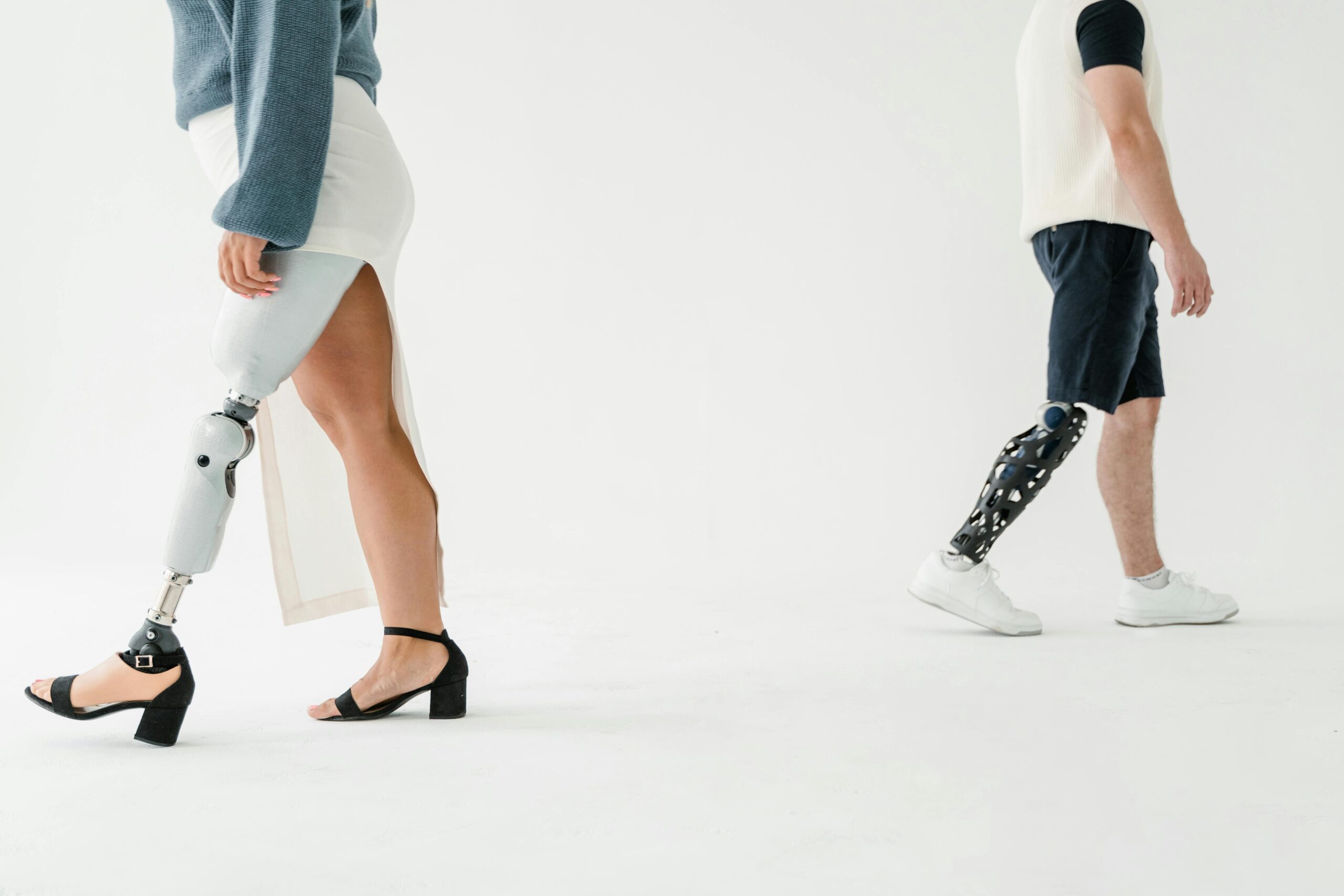
The revolution in assistive neural prosthetics represents one of the most hopeful developments in modern medicine and engineering. What seemed impossible just decades ago—controlling robotic limbs with thoughts, restoring communication to the voiceless, enabling paralyzed individuals to walk—is becoming increasingly routine in leading research centers and beginning to reach broader clinical populations.
Yet we stand only at the beginning of this transformation. Each breakthrough reveals new possibilities and raises new questions. Each successfully restored capability inspires broader visions of what might be achieved. The journey from current capabilities to the full potential of neural prosthetics will require sustained effort, resources, and commitment from researchers, clinicians, engineers, policymakers, and society as a whole.
For the individuals whose lives are being revolutionized by these technologies, the future cannot arrive soon enough. Every day of delayed progress represents another day of unnecessary limitation. This urgency must drive continued innovation while maintaining the rigorous safety and efficacy standards that protect vulnerable populations from premature or inadequately tested interventions.
As neural prosthetics mature from experimental interventions to standard clinical care, they will fundamentally reshape our understanding of human capability, disability, and the relationship between biology and technology. The independence they enable carries profound dignity, allowing individuals to live according to their own values and aspirations rather than being constrained by physical limitations. In revolutionizing individual lives, neural prosthetics are ultimately revolutionizing what it means to be fully human in the 21st century and beyond.